On February 20, 2024, The Frontline Club in London, UK, hosted a discussion between Janine di Giovanni, acclaimed war correspondent, author, and Executive Director of The Reckoning Project, and Jasminko Halilovic, Founder and Director-General of the War Childhood Museum. Di Giovanni and Halilovic explored the consequences of war on children, with a focus on Ukraine while also reflecting on experiences in Bosnia and Herzegovina, and the ongoing violence against the children of Gaza.

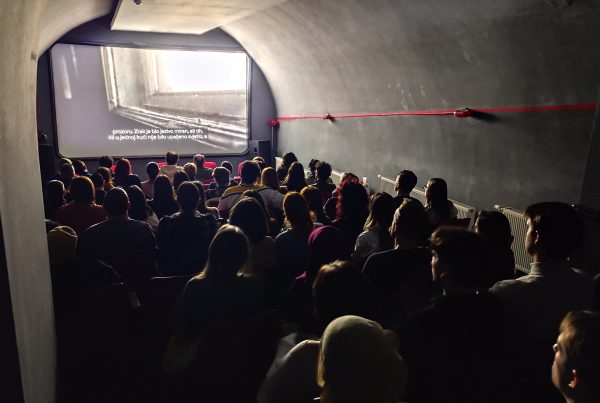
Janine, who has reported from 18 conflicts across four continents, presented the work of The Reckoning Project, a war crimes unit in Ukraine documenting atrocities to assist in building cases for international legal mechanisms. She showcased a video featuring children forcibly taken from Ukraine to Russia, highlighting that an estimated 20,000 children from Ukraine have been illegally taken by Russia since the onset of its full-scale invasion.
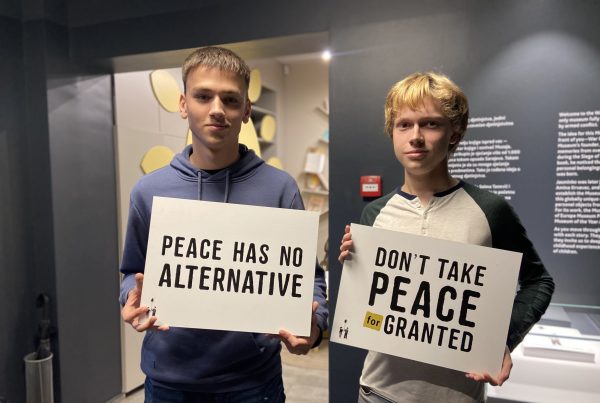
Jasminko introduced the War Childhood Museum’s efforts, offering the audience insights into the museum’s collection and sharing the stories behind objects from Bosnia and Herzegovina, Ukraine, and Palestine. He emphasized the diversity of the collection, which now includes over 6,000 objects and stories from 20 different armed conflicts.
The event saw interventions from academics, journalists, and human rights activists. Discussions included the impact of sexual violence in conflicts and the experiences of children born of rape. The War Childhood Museum’s Research Coordinator, Ajnura Akbas, who attended the event, responded by highlighting WCM’s “Speaking Out” exhibition devoted to this subject. She detailed how the museum utilized body mapping to help survivors express their experiences and mentioned that the exhibition was part of a broader campaign by WCM’s partner organization, Forgotten Children of War. This campaign led to the legal recognition of children born of rape in the Federation of Bosnia and Herzegovina, marking the first such case worldwide.
Addressing a question from the audience about what museums and documentation platforms can offer to children currently affected by war, WCM’s founder stated, “When lives are endangered, children first need a ceasefire, then food, medicines, access to education, and other basic needs. Only after these needs are met should their experiences be documented.” He added, “I believe museums can change the world, but, unfortunately, they cannot stop wars,” concluding his remarks.
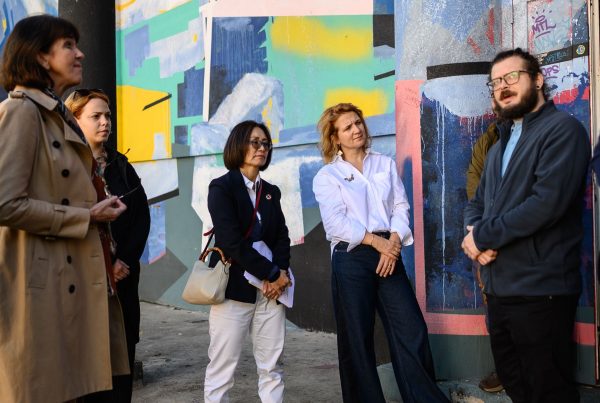
The event was also attended by the representatives of the Embassy of Bosnia and Herzegovina in London, who underlined their support to the War Childhood Museum.