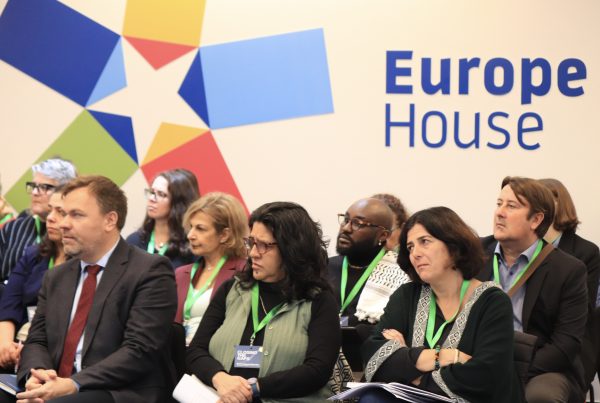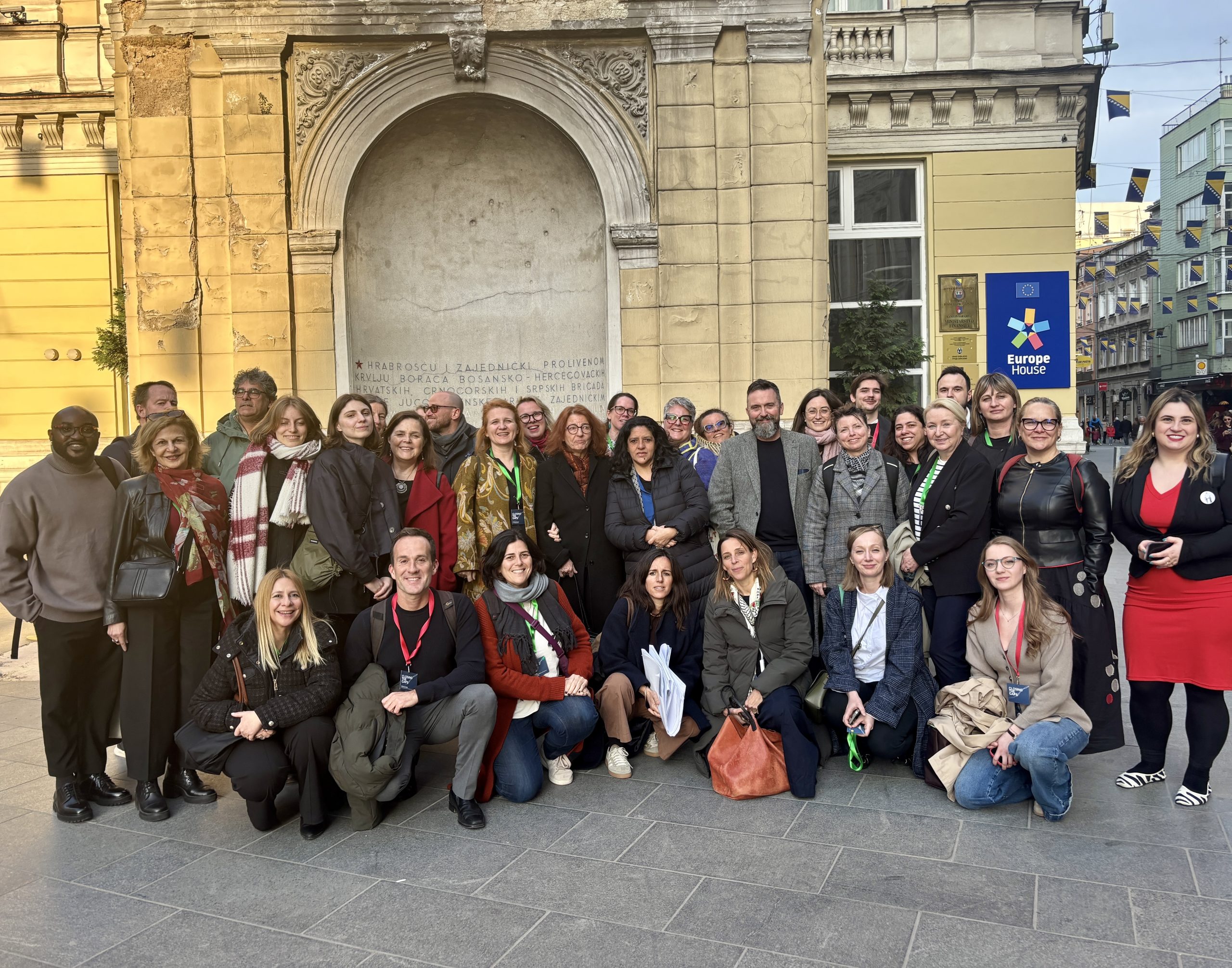
The international roundtable “Closing the Gaps: Memory, Prevention and Social Cohesion in Europe” concluded in Sarajevo on Wednesday. The event convened civil society actors, scholars, and policymakers from across Europe, including Bosnia and Herzegovina, Serbia, Croatia, Spain, Belgium, Switzerland, the United Kingdom, Italy, Ukraine, and others.
Over two days of discussions, participants critically examined the limitations of current memory practices and explored how memory can become a more effective tool for preventing violence, strengthening democratic resilience, and fostering social cohesion.
The conversations highlighted several key challenges: the persistence of fragmented and identity-based narratives, the marginalization of certain histories, and the difficulty of translating remembrance into meaningful action. At the same time, participants shared approaches that point toward more inclusive, intersectional, and action-oriented memory practices.
“It is symbolically significant that we are gathered in Sarajevo three decades after the war and genocide to reflect on how we can address gaps in memory initiatives—so that the lessons learned from past experiences are translated into meaningful action to prevent future atrocities while we confront our collective failure to have prevented those unfolding around the world today,” said Amina Krvavac, Director of the War Childhood Museum in Bosnia and Herzegovina.
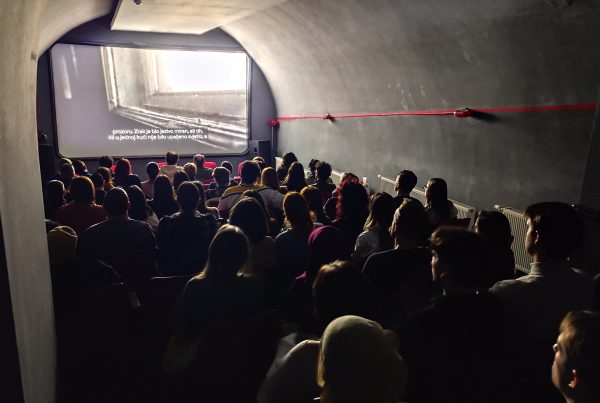
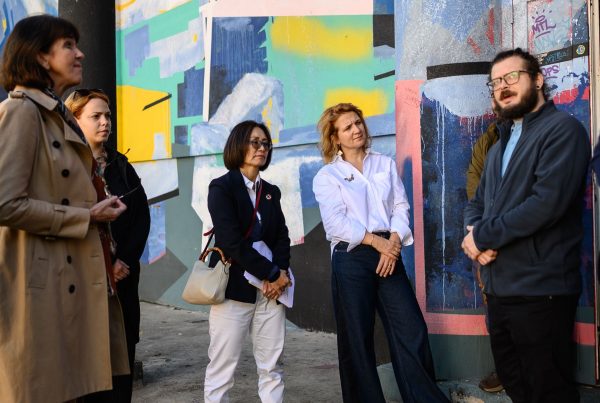
As part of the event, participants visited the War Childhood Museum, Gallery 11/07/95, and the exhibition “Roma, As Usual” at Manifesto Gallery.
A Different Future
The roundtable also created space for exchange among practitioners working in diverse contexts, strengthening connections between organizations engaged in memory work, peacebuilding, and human rights, as they reflected on shifting paradigms in a time of rising autocracy and polarization.
“One of my main takeaways is that we are at a deeply unsettling global turning point. What I saw in this room were people actively grappling with that moment—trying to understand what it means, the harm it may bring, and how we can respond by envisioning a different future,” said Teresa Vazquez of the International Coalition of Sites of Conscience (ICSC).
Through roundtables and working groups, participants worked on developing concrete recommendations aimed at bridging the gap between memory and prevention. These contributions will form the basis of a Policy Roadmap, designed to support future policy development and collaboration across sectors.