The exhibition “Childhood Under Siege” connects the stories of those who survived the sieges of Gorazde, Sarajevo, and Srebrenica with the stories of children from Ukraine and Palestine who are experiencing the same situation today.
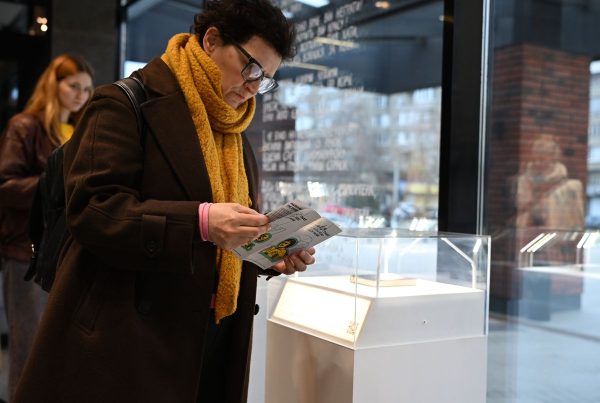
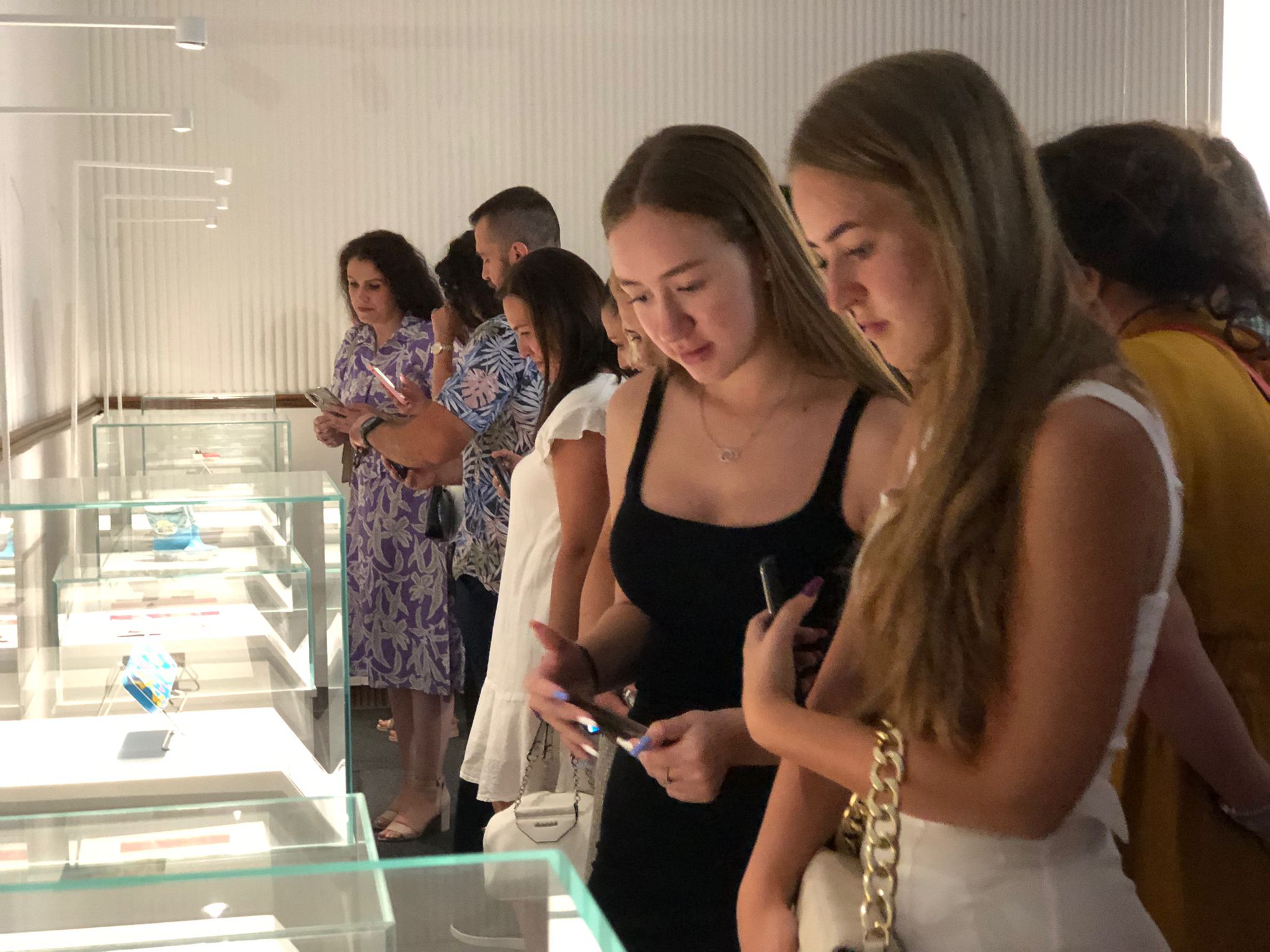
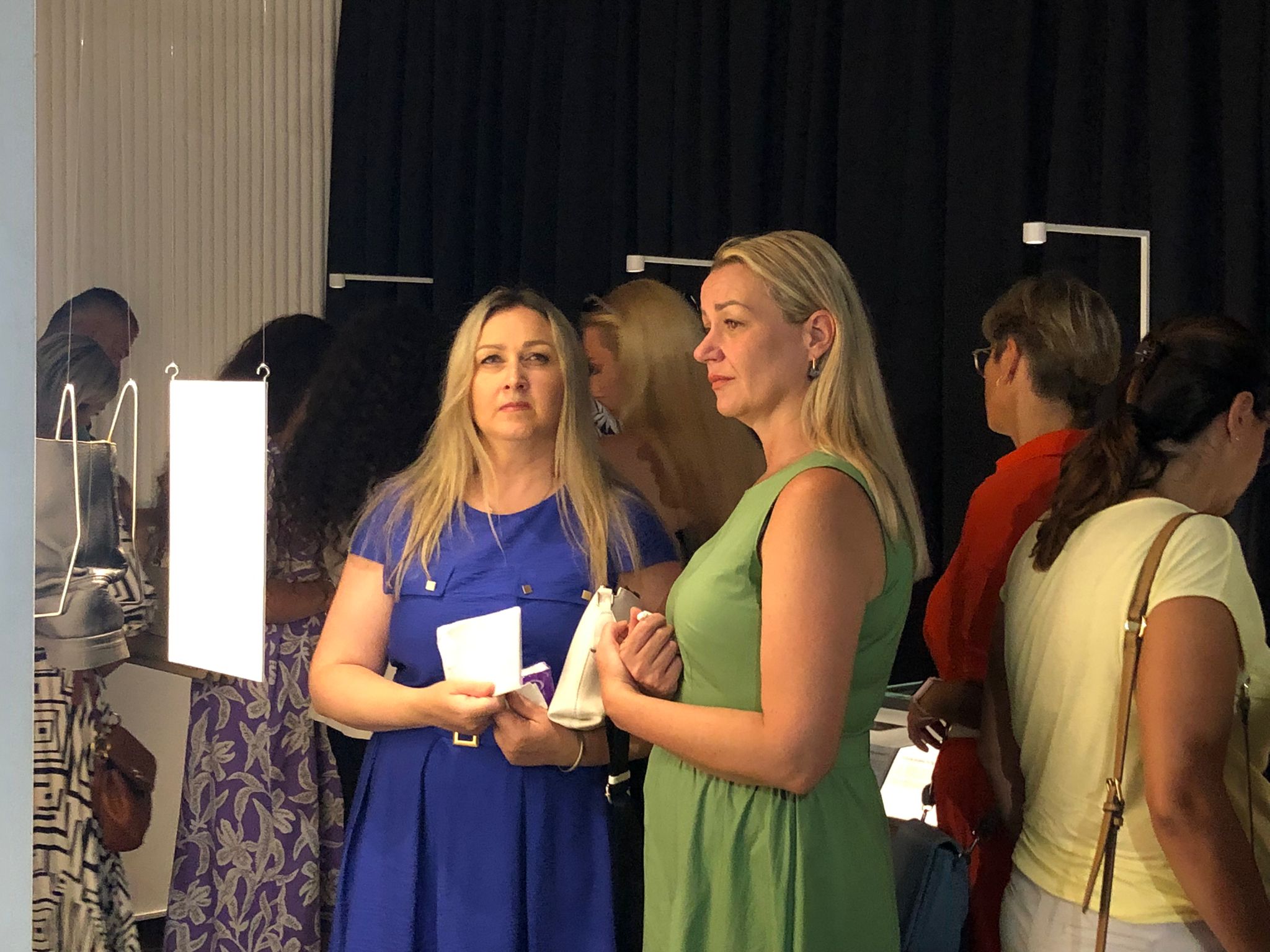
Last night at the Gorazde Cultural Center, the War Childhood Museum opened its first exhibition in Gorazde. “Childhood Under Siege” is a traveling exhibition featuring personal stories, memories, and video testimonies about the everyday life of children who grew up or are growing up in cities under siege: Gorazde, Sarajevo, Srebrenica, Mariupol, and Gaza.

Childhood Under Siege
During the opening ceremony, a large number of visitors were addressed by Adi Dzemidzic, the curator of the Gorazde Homeland Museum; Amina Krvavac, WCM director in BiH; Adisa Alikadic-Heric, the Minister of Education, Youth, Science, Culture, and Sports of the Bosnian-Podrinje Canton Gorazde; and Senada Aleta, one of the exhibition participants and a teacher.
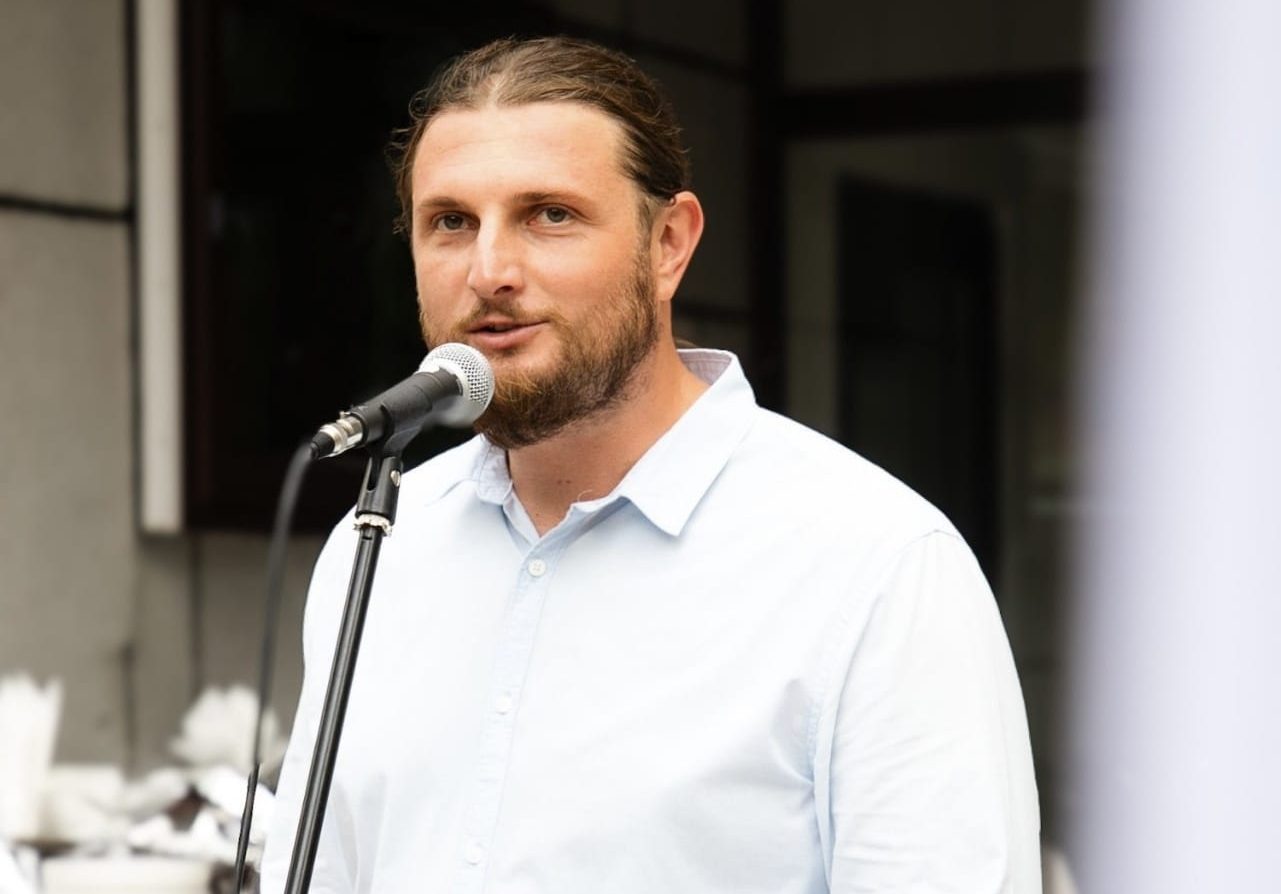
Foto: AITI lab
Adi Dzemidzic spoke first, expressing great satisfaction with the collaboration between the two museums. He emphasized that the Gorazde Homeland Museum hopes to continue partnering with WCM on similar projects. He also invited those who were children during the war to contribute to the WCM collection by sharing their stories and donating personal objects.
The museum as a platform gives voice to children still growing up in war
Director Amina Krvavac also expressed great satisfaction with the first exhibition of the WCM in Gorazde. In addition, she expressed immense gratitude to the external collaborators of the Museum from Goražde who worked on documenting and collecting personal stories and objects that testify to everything that the people of Goražde endured during the siege. “Upon arrival, we immediately sensed the spirit of resistance, strength, and creativity among the people of Goražde, which continues to resonate today,” Krvavac remarked. She highlighted that the exhibition not only shares the stories of children from Sarajevo, Gorazde, and Srebrenica but also amplifies the experiences of children from Palestine and Ukraine, who are currently facing challenges similar to those encountered in the 1990s. “WCM aims to serve not merely as a memorial platform but as a voice for children growing up in ongoing conflicts. All our endeavors are focused on deepening our understanding of the impact of war on children and whole society,” Krvavac concluded.
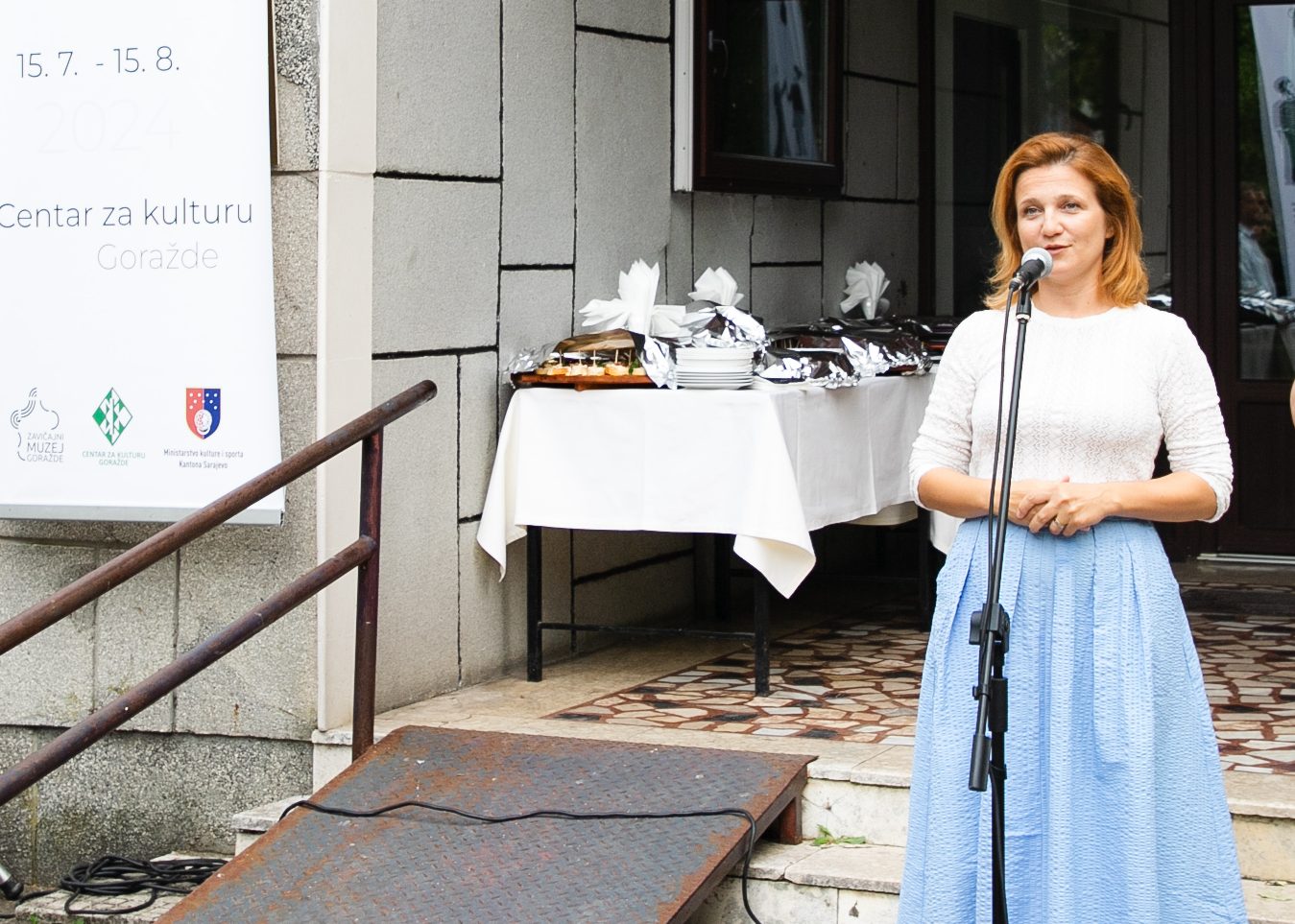
Foto: AITI lab
Adisa Alikadic-Heric, the Minister for Education, Youth, Science, Culture, and Sports of the Bosnian-Podrinje Canton Gorazde, highlighted the exhibition’s importance for Gorazde. “I was 15 years old when the war started. One day everything was fine, and then overnight everything fundamentally changed,” she recalled. “I remember wearing a pair of jeans throughout the four years of war. I constantly altered and sewed them, but they lasted all those years. If I ever find them, I will donate them to the War Childhood Museum.” Alikadic-Heric also shared her experience of explaining war to her children for the first time, expressing the generational responsibility to discuss and transmit these memories. “We are the generation that must talk about it. We must pass on our experiences to younger generations so they understand how devastating war is,” she emphasized.
 “Childhood Under Siege” highlights the strength and resilience of children who survived war
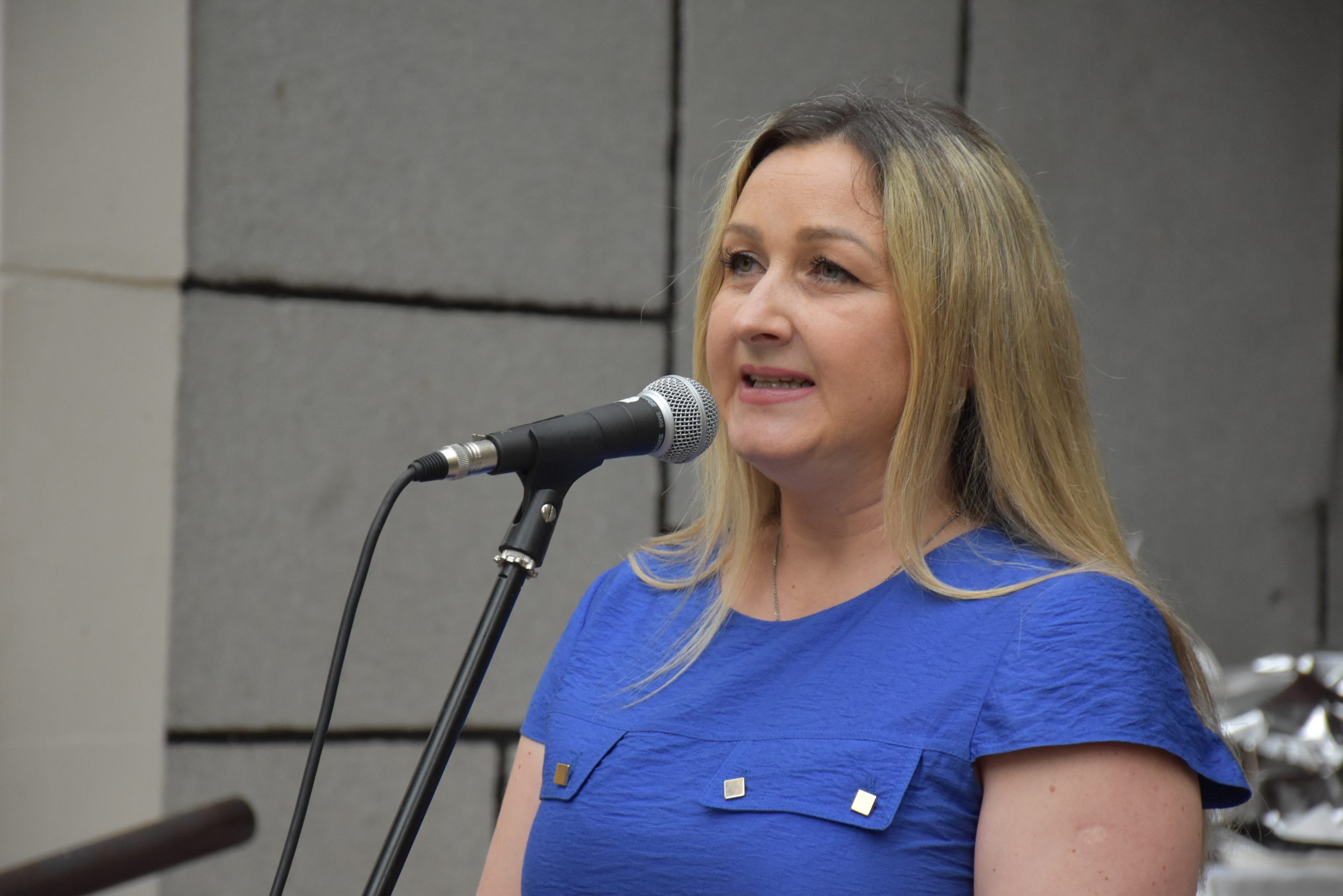
At the end, teacher Senada Aleta, addressing the audience, expressed gratitude to WCM for emphasizing the importance of hearing the stories of those who endured a childhood marked by war. She underscored that war is not merely about territorial conquest but also about the profound loss of lives and souls. “This exhibition is also a testament to the human strength to survive and resistance that can only be fully understood by those who have experienced such traumas,” concluded Aleta.

Foto: AITI lab
The exhibition, a collaboration between the Cultural Center and the Goražde Homeland Museum, supported by the Ministry of Culture of Sarajevo Canton, is open to all visitors until August 15, 2024, at the Gorazde Cultural Center, daily from 10:00 AM to 9:00 PM.