The War Childhood Museum Ukraine is expanding its work to document and preserve childhood experiences of the Russian-Ukrainian War through two new collaborations: a partnership with the Ukraine War Archive and a new documentation initiative within the “People of the Future” project.
Together, these initiatives strengthen different aspects of the Museum’s work—from ensuring the long-term preservation of already documented testimonies to recording the experiences of children and teenagers whose families have been affected by captivity.
War Childhood Museum Ukraine Joins the Ukraine War Archive
The War Childhood Museum Ukraine has partnered with the Ukraine War Archive, Ukraine’s largest digital platform preserving evidence, testimonies, and other materials related to the Russian-Ukrainian War.
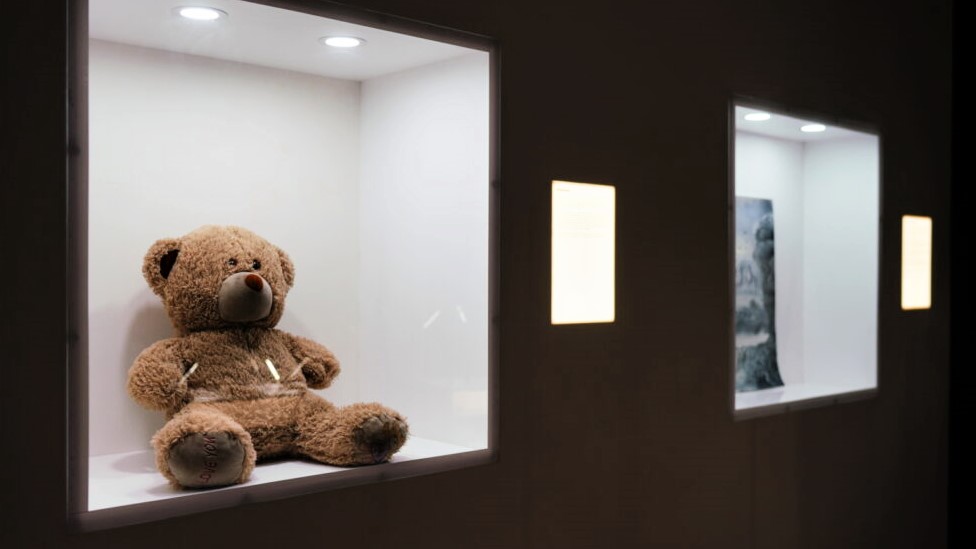
As part of the collaboration, the Museum is sharing testimonies previously featured in its exhibition projects with the Archive. These include stories from children and teenagers about living through Russian aggression, forced displacement, and experiences in temporarily occupied and frontline territories.
“We are glad to cooperate with the Ukraine War Archive because they are a prime example of an institution focused specifically on preserving collected materials. The Ukraine War Archive also offers a ready-to-use set of preservation tools, so we are pleased to apply them and transfer the previously published materials of the War Childhood Museum,” says Svitlana Osipchuk, Program Director of the War Childhood Museum Ukraine.
The Ukraine War Archive operates as a closed platform accessible to verified users, including law enforcement agencies, international organizations, journalists, documentary filmmakers, researchers, artists, and other professionals working with war-related materials. It preserves photographs, videos, audio recordings, written testimonies, interviews, and open-source content, with different access levels available for sensitive materials.
“We are thrilled about this collaboration and welcoming the War Childhood Museum Ukraine into our partner community. The recorded testimonies of the Museum are particularly valuable for documenting and preserving children’s experiences during the Russo-Ukrainian War. Now, these testimonies will become part of the Ukraine War Archive’s collections, which will not only help safely preserve the material but also allow verified users to work with the testimonies for various purposes—primarily aimed at achieving justice and preserving the memory of living through this war,” says Iryna Pavliukovska, Head of Partnerships at the Ukraine War Archive.
For the Museum, the collaboration provides an additional way to ensure the long-term preservation of collected testimonies while making selected materials available for professional research and other forms of engagement. These personal accounts can contribute to a broader understanding of how war transforms children’s lives and how their experiences become part of the history of the Russian-Ukrainian War.
Documenting the Experiences of Families Affected by Captivity
At the same time, the War Childhood Museum Ukraine is continuing to expand its documentation work. In collaboration with “People of the Future,” the Museum has launched an initiative to record the testimonies of children whose loved ones have returned from captivity.
“People of the Future” is a project of the Coordination Headquarters for the Treatment of Prisoners of War, created for children and younger siblings of prisoners of war, fallen defenders, civilians unlawfully deprived of liberty, and people missing as a result of Russian armed aggression. The project brings together government institutions, businesses, humanitarian organizations, civil society groups, and benefactors to support Ukrainian children affected by the war.
“When we watch news reports about defenders returning from captivity, it is always a deeply joyful yet poignant moment. It brings immense joy to the families who have waited for their loved ones to come home. But the story does not end there. Years of waiting, uncertainty, and the impossibility of learning even the slightest detail about a loved one’s fate leave a profound mark on the entire family—on everyone who waited,” says Svitlana Osipchuk.
Through the initiative, the Museum seeks to better understand and document how waiting, uncertainty, separation, and the return of loved ones from captivity affect children and teenagers.
By both preserving previously collected testimonies and continuing to document experiences that have received less public attention, the War Childhood Museum Ukraine is working to ensure that children’s perspectives form part of the record of the war and remain accessible for future research, education, and remembrance.