

 Treasure in Aid Pallets
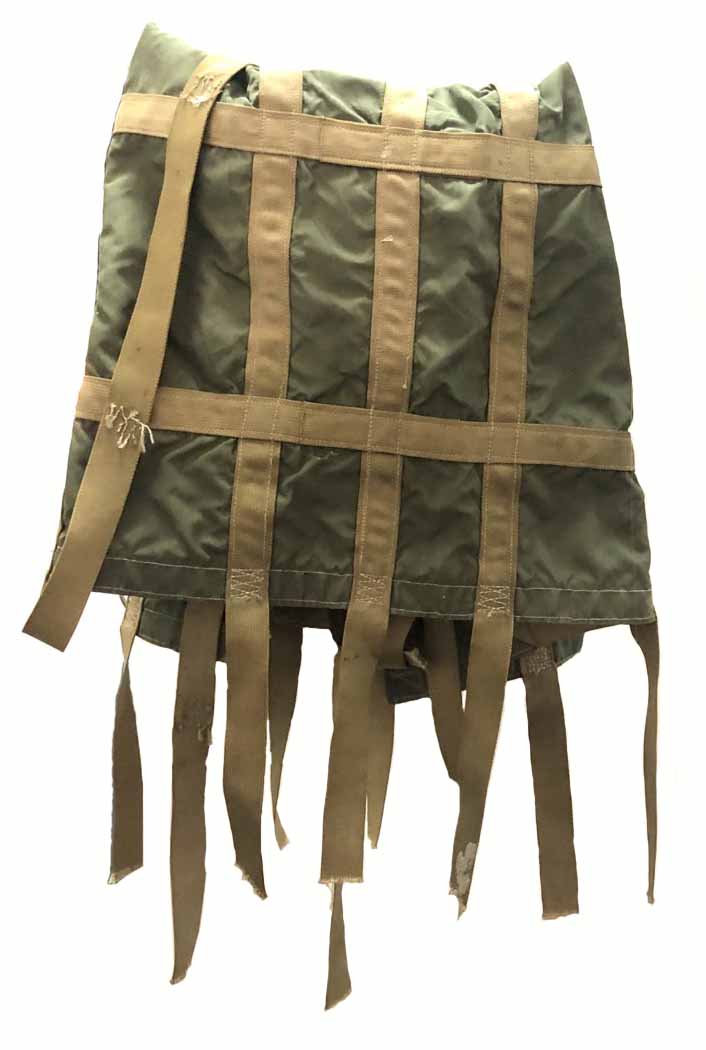
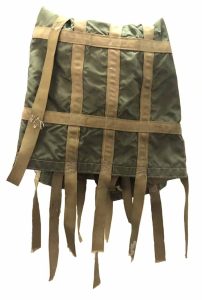
When the Grebak road—through which the residents of Goražde and refugees from the surrounding areas used to get food—was cut off, food and medicine began to be dropped from the air. From planes, they threw pallets weighing between seven hundred and one thousand kilograms, depending on the contents. Each package was protected by a tarpaulin like this.
That first winter, most of the pallets fell into the river Drina. Some people jumped in and swam in a desperate effort to get to the food. After that, they tried dropping food in smaller pallets. They then switched to lunch packages, which usually contained expired American food.
On one occasion, I opened a lunch package to discover a can of herring, which I opened and ate. Only later, in a conversation with friends, did I learn that herring, a huge egg-shaped fish, should be cleaned well before consumption. To this day, however, I maintain that it was delicious.
Admir, born 1977
Goražde, Bosnia and Herzegovina
 It All Began with a Dress

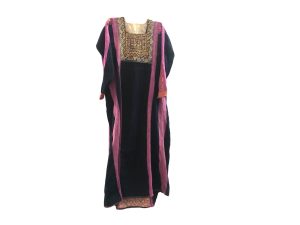
Many families in Gaza have similar stories—ours began with a dress, as my grandmother would often tell me.
Since our family worked in farming, having a dress such as this one was considered a luxury—this is why it made the whole family incredibly proud to see my grandmother get married in this dress. However, right after getting married, she was forced to leave her home and her village. Whenever my grandmother told me this story, her eyes welled with tears.
Because this dress marked the beginning of my family’s journey from home, I decided to donate it to the Museum. I still hope that my grandmother and other people will return to their homes one day. Now, I spend my time reading books, learning English and Spanish languages, and making lots of friends.
Intisar, born 2005
Gaza, Palestine
 My Brother
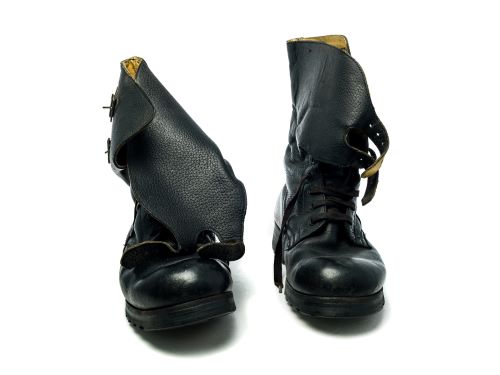
My twin brother Kenan was only 16 years old when he joined the Army of the Republic of Bosnia and Herzegovina. These are the boots that he would wear when he went to the front. As he was underage, dad needed to give his consent on a small piece of paper. The brutality of the aggression we suffered is evident in my brother’s wish to defend his fellow citizens’ and his own dignity, despite not yet being of age.
I entered the house a couple of moments before the mortar shell hit, and that is the only reason I survived. My brother Kenan and my grandma died on the spot. My sister was wounded in the head. The doctors who operated on her couldn’t save her life. The shrapnel went in too deep.
Killing innocent people was the intention. Let it never happen to anyone ever again.
Kemal, born 1976
Sarajevo, Bosnia and Herzegovina
Backpack
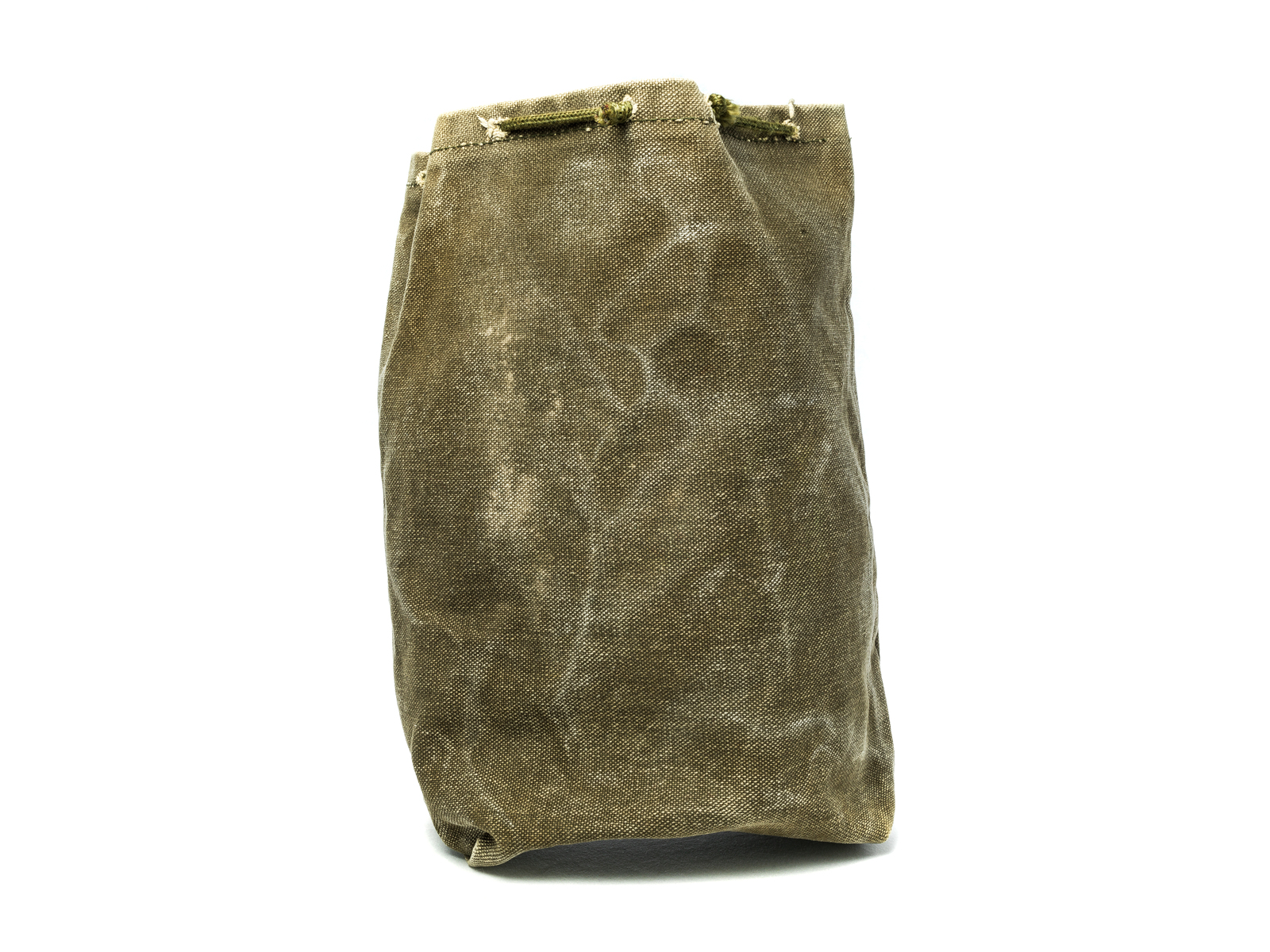
During the war, we in Srebrenica lacked everything. When school started, we had no school supplies. The supplies weren’t commonly found in the humanitarian aid either. Humanitarian aid usually contained old American army rations. Rations were air-dropped with parachutes and in pallets. Every part of those parachutes and pallets was put to good use.
Since there was nothing else I could use to carry what little school supplies I did have, father used the parachute canvas to make a backpack for me. The canvas was very hard and durable, so it took him a couple of days to sew the piece of the parachute together. He used an awl, a hammer and even some wax so that the stitching would go smoother. Backpack straps were cut from a pallet’s strapping belts, and the thread that was used to sew it all up came from those same belts. The thread was later needed to patch somebody’s shoes, and since we didn’t have any more strapping belts, we cut off one of the straps from my backpack.
When Srebrenica fell and all of us were fleeing and trying to bring with us something of value, I brought this school backpack and stuffed an old encyclopedia and a couple of other books I read in wartime inside it. Mother was so furious that I had crammed in so many things that somewhere down the road she got rid of half of what I was carrying. The backpack was with me during my time in a concentration camp in Potočari. Just so I would feel useful, father put a bottle he found in the factory hall in the backpack and let me carry it around.
Jasmin, born 1986
Srebrenica, Bosnia and Herzegovina
 Pieces of Chocolate
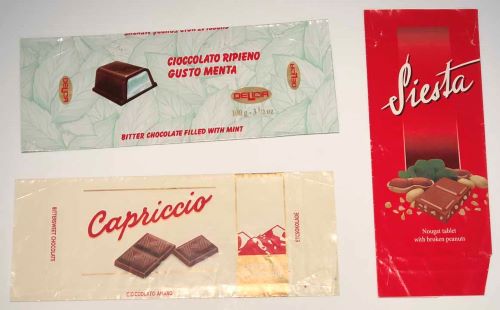
I was only two years old when the war started. For a long time, we lacked basic provisions and could only dream about sweets. It was only when the first UNPROFOR soldiers arrived, and we received our first humanitarian aid packages, that chocolate became available. I saved every wrapper. The chocolates came from Germany, Slovakia, Spain, Czech Republic, Italy, Switzerland, Austria…
After we were forced to leave our house in Rogatica, we ran through the woods from the aggressors. I was little, so my parents had to carry me. There was some chocolate among the provisions my mom brought with us. Each time I started crying or became agitated, she would give me a piece of chocolate.
Azra, born 1990
Rogatica, Bosnia and Herzegovina
Teddy’s Sweater
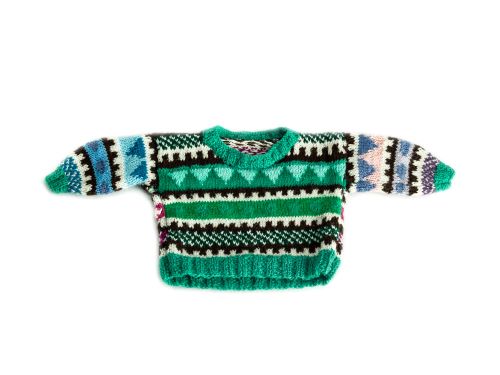
I was ten when the war started. I was in Goražde the whole time. The city was under siege for four years, meaning we were without water, power, and heating. Shelling was a daily occurrence.
My parents were doctors so I spent a lot of time with them in the clinic. When the shelling would start, we would go hide in dark, cold basements. In our building’s basement, women knitted socks, caps, gloves… They would knit for hours next to an oil lamp – light from an oil lamp came only after you poured in half a glass of water, added oil, and then used a piece of linen as a fuse. It produced a lot of soot, so we would always leave the basement covered in it. The women unraveled old clothing to make new things, because there was no other way of getting yarn. With knitting, our time in the basement seemed shorter and it was easier to handle fear, hunger, and the sound of explosions outside. My mother knitted too, and so she gave me a couple of needles, some yarn, and with her help I learned to knit.
I knitted this sweater for my teddy bear whom I carried with me everywhere. Everyone gave me some of their yarn, which came in various colors, so the sweater I knitted turned out colorful. The front, the back, and the sleeves are in many different shades. I kept it to this day, so that I could have one wonderful memory amid all the bad ones – it would remind me that I, a child living in those conditions, learned a valuable skill.
Amina, born 1982
Goražde, Bosnia and Herzegovina
 My Family Photograph
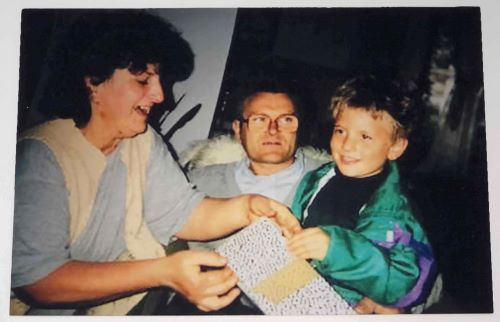
Two days after I was born, my biological mother left me at the Obstetrics and Gynecology Ward of the Cantonal Hospital in Goražde. From the moment she abandoned me, all of the hospital staff joined hands to take care of me, but none did so more than the man who was, at the time, working there as a janitor. Seven months later, he and his family adopted me. They showed me love when I needed it the most and fulfilled every wish that a boy could have. Thanks to them, I remember my childhood as one marked by happiness, playtime with my sisters, and the mischief I got up to.
This is the family photo of me and my parents. Although, years later, I got the opportunity to meet my biological mother, the woman who survived wartime rape, I still consider the two of them to be my real parents.
Today I work at the same Cantonal Hospital where I was born. That is where I fell in love with the woman who would become my wife, and that is where our son was born. I often think about how my life always goes back to that same starting point—my parents and the Cantonal Hospital in Goražde.
Alen, born 1993
Goražde, Bosnia and Herzegovina
 Blue Baby Boots
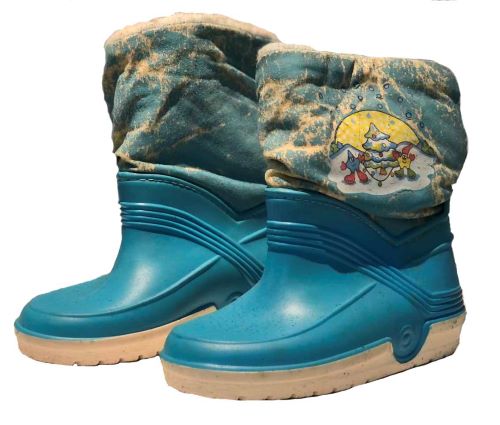
Long before I was born, my father decided he would name me Berina. He got these blue boots in exchange for a box of biscuits, and was anxiously awaiting my birth so that he could see me wear them.
In April ’94 my father went to the frontline and never came back. I was born just seven days after his death.
Although we never met, my mother told me the most beautiful stories about him and his love for me.
Berina, born 1994
Goražde, Bosnia and Herzegovina
 Pencil Case from Humanitarian Aid
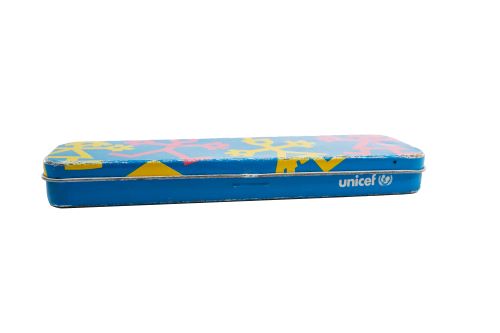
When the UN forces entered Goražde in ’94, they gave us, the children, these pencil cases. Up to then, we had only carried one pencil that could fit in our pocket to school. Each pencil case contained a fountain pen and a ballpoint pen but, since we didn’t have cartridges, we couldn’t use the former.
After the war, I started working in the same school I had attended during the aggression. That’s when I first started using the pencil case, fountain pen, and ballpoint pen that I had kept safe for years. Children often asked where I got such a pencil case, so it frequently prompted stories of my wartime childhood, my love of learning, and the importance of being in school.
Senada, born 1980
Goražde, Bosnia and Herzegovina
 The First Photograph
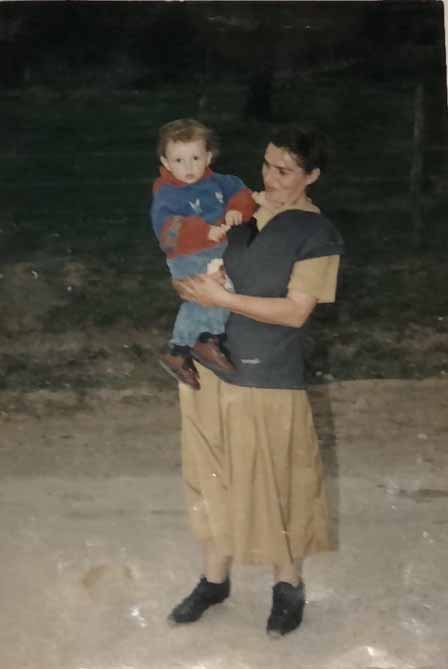
I was born in April 1995, during a period when many expected the beginning of better days for Goražde. My mother, because of all that she had suffered in the previous years, lost her milk, so my parents quickly had to find another solution. Father tried for some time to get powdered milk, but his efforts were always in vain. One of our acquaintances came up with the idea that we should make up a story that my mother had passed away, so that some woman would agree to donate her milk for me. I haven’t been hungry since then, and, interestingly, the bottle from which they fed me had, years earlier, been used to feed lambs.
This photograph was taken in May 1996 and is the first picture of me. It was taken by one of the UNPROFOR soldiers. Months later, walking down the street, a soldier recognized my mother and gifted her this picture.
Rusmir, born 1995
Goražde, Bosnia and Herzegovina

The Jungle Book
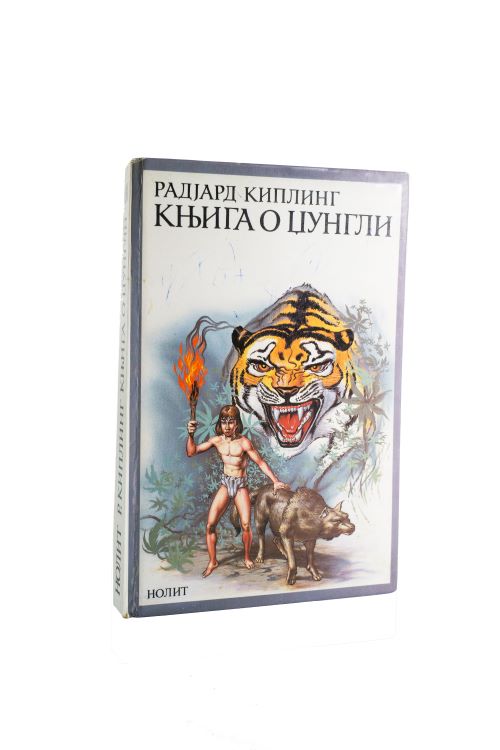
I received this book as a gift from a foreign soldier whom we children would often meet on the street. We would look forward to meeting him because we knew that his pockets were filled with sweets, chewing gum, or other little items to cheer us up. In our eyes, he was a real hero, the only one who shared sweets with us.
This “Jungle Book” also contains his dedication, which meant a lot to me at the time. It made me feel important and happy.
I read the book countless times by candlelight; it was my only form of entertainment in the basement. Since I didn’t have a notebook or a journal, I also used it to house the stickers that came with our packets of chewing gum.
Aldina, born 1981
Goražde, Bosnia and Herzegovina

Curling Iron Hairstyle
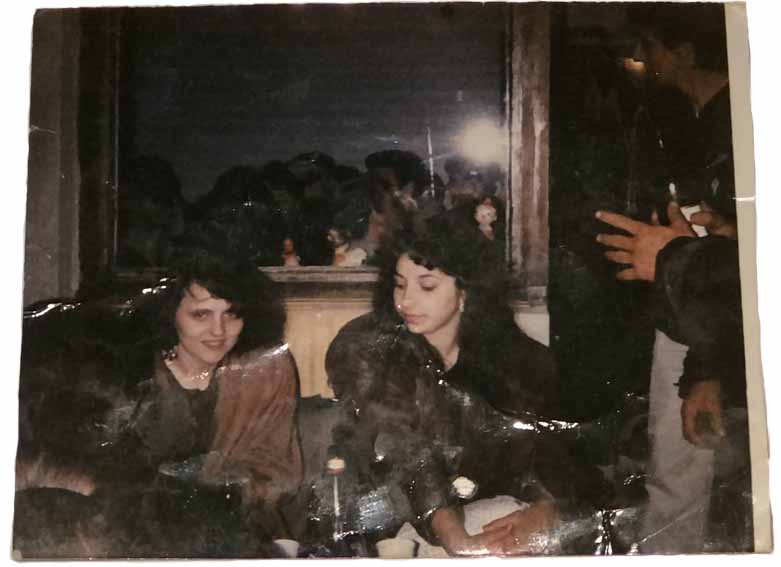
At the beginning of the war, I missed electricity the most, for one reason only—without it, I couldn’t use the curling iron to curl my hair! I tried to find various other ways to achieve my favorite hairstyle—old curlers, rubber bands, small pieces of cloth but nothing could replace the curling iron.
I naively thought that this would be my only worry during those years, but, as the war progressed, I soon forgot that the curling iron even existed.
The war ended, and this photograph remained as a memory of a hairstyle that I never had again.
Sehija, born 1974
Goražde, Bosnia and Herzegovina
Dad’s Medical Office
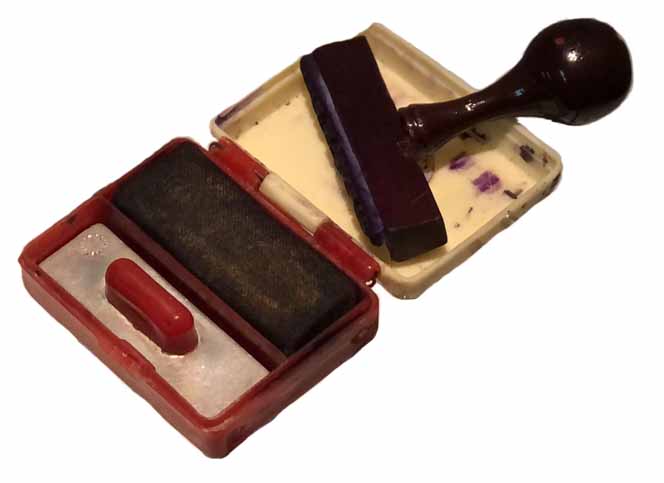
That morning, Dad got up a little earlier than usual and was getting ready to go to work at the war hospital. He left with a smile on his face. We had agreed that I would come to his office at 10 o’clock.
I loved going to his medical office because that time was dedicated to just us and our conversations about all the trips to Europe we planned to take after the war. As I was getting ready to leave, intense shelling began. The detonations were so strong that we realized there were VBR missiles falling close to the house.
Shortly after the shelling stopped, we learned that several missiles had hit the war hospital. One hit the park right in front of Dad’s office. When the shell fell, Dad was out in front of the doctor’s office, helping the wounded who had arrived that morning. Due to the intensity of the explosion and the large amount of shrapnel produced, he had no chance of survival. His colleague Dr. Dušanka Vujasić, who was seven months pregnant, was seriously wounded by the same explosion. Their fellow doctors did their best to save her and the child, but tragically, they failed.
The days that followed were a blur. I only remember sitting with my brother, who had returned from his post for dad’s funeral. We were hugging each other on the stairs in front of the front door, and I said: “Dear brother, what are we going to do now, without Dad?”
Erna, born 1981
Goražde, Bosnia and Herzegovina
 Our Photograph
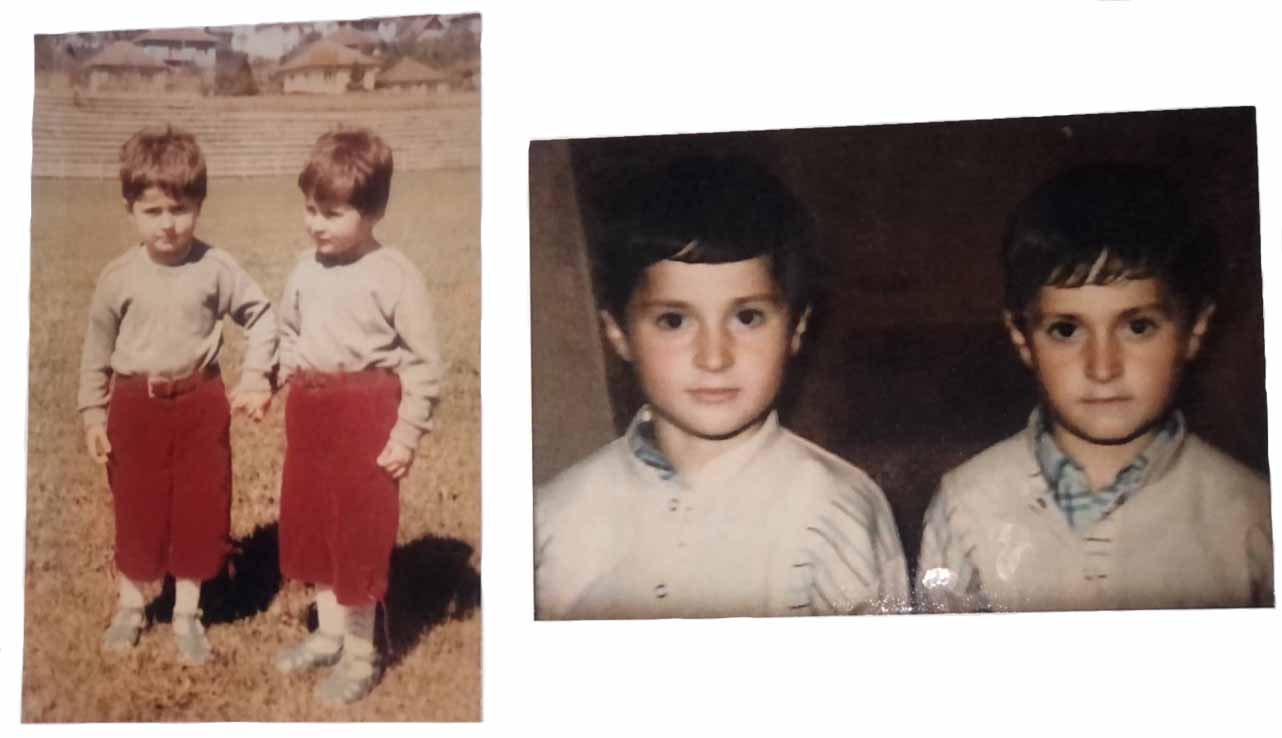
On July 5, 1992, there was a temporary cessation of shelling. Believing that we would be safe, my brother and I, together with some other children, went out into the yard to play school.
At some point, a shell was fired from Površnica hill, and it landed right in our yard. My twin brother Emir Sijerčić, a little girl named Džarka Bajrami, and I were all hit by shrapnel.
Emir was hit in the chest, near his heart, and died within minutes. Džarka was hit in the stomach and died in an ambulance three hours later.
I was hit in the head, and they transported me to the health center, which was all the way across the city of Goražde. After a few days in a coma, I woke up and was sent home to recover. Due to my poor health, my parents were not allowed to tell me what happened to Emir until I had recovered my strength.
Emir and I were identical twins and very close. This is a photo of us together. I am now 43 years old, but the pain and sadness are the same as the day I learned of his death.
Edin, born 1981
Goražde, Bosnia and Herzegovina

Džarka
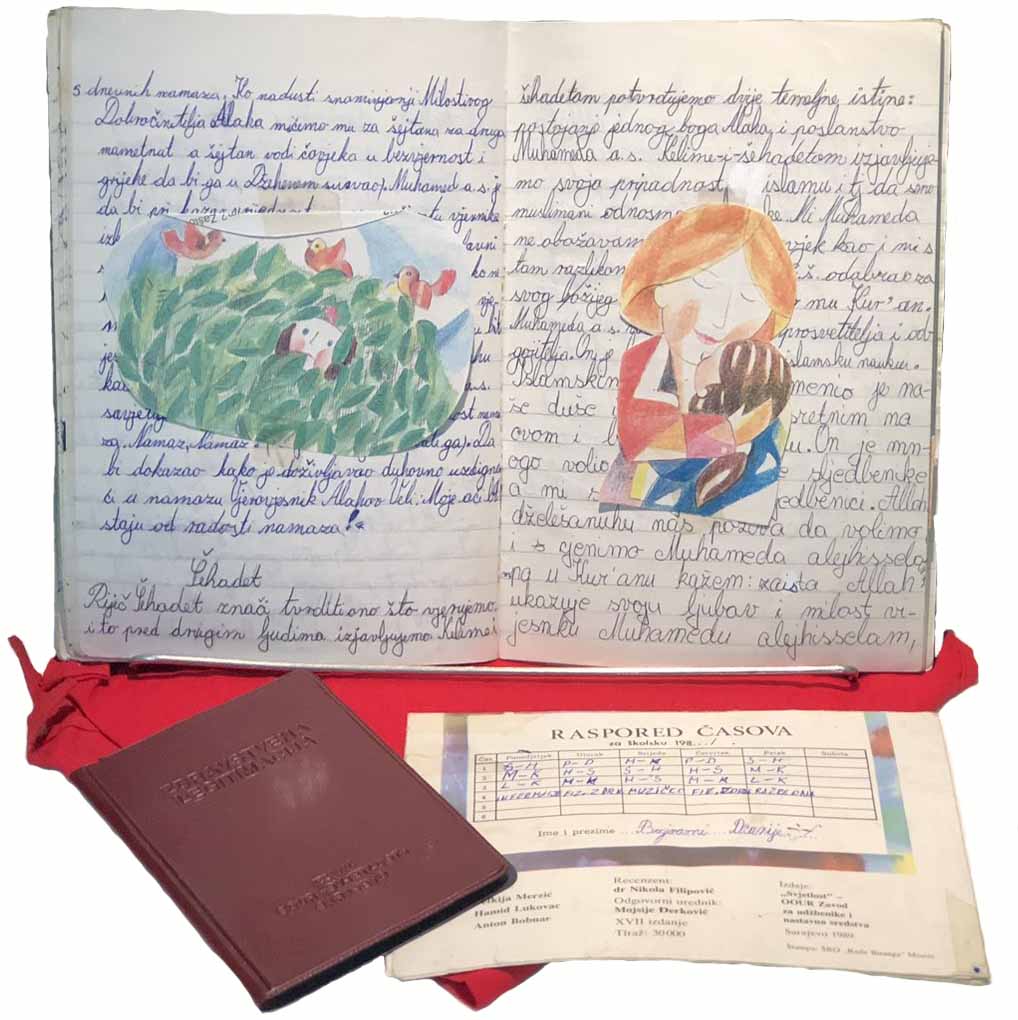
My sister Džarije was always smiling and cheerful. We affectionately called her Džarka.
In July 1995, she was killed in front of my eyes. She was eleven years old.
Elmir, born 1986
Goražde, Bosnia and Herzegovina
New Year’s Show
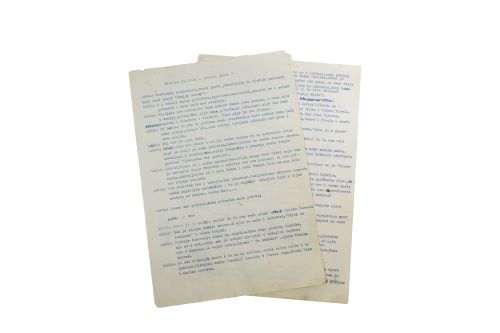
A favorite gathering place for us children was aunt Ševka’s yard. Ševka always greeted us with a smile and a ready joke. After some time, Aunt Ševka suggested that we organize a children’s show. She designed the clothes, and my mom wrote the scripts and chose the recitations. One such script is right in front of you. We held countless rehearsals, practicing our points and dance choreography and choosing special outfits for the performance so that everything would look perfect.
For the New Year’s show in 1996, we bought and decorated a Christmas tree, and our neighbor played Santa Claus (in a real costume!). We envisaged that, at the end, when the choir sings the song “Veju, veju pahulje” and Santa Claus comes out, we would throw confetti to simulate falling snow. I remember that my dad gave us a stapler and we all spent days punching paper to make the confetti. However, when the show’s ending arrived, we were so excited and happy that we forgot all about the confetti.
At the end of the performance, we all received New Year’s packages. We knew there would be no sweets in the packages, just some salty biscuits, but we looked forward to them all the same.
Lejla, born 1982
Goražde, Bosnia and Herzegovina

Neighborhood Stars
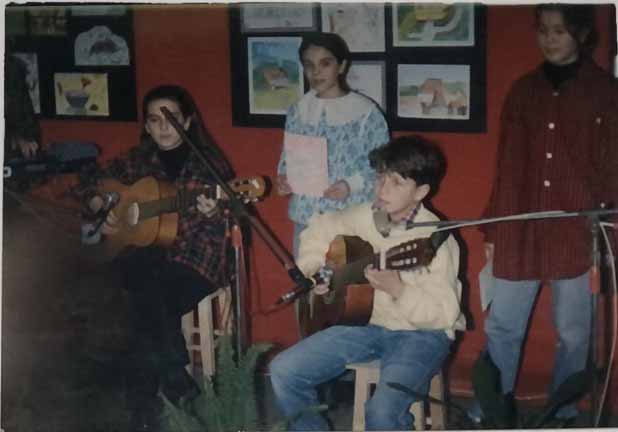
Apart from hunger and daily shelling, the memories of my musical beginnings are what tie me most to the war period. That’s when I picked up a guitar for the first time. I played it day and night, learning chords and songs from various songbooks. I gave my first performance on New Year’s Day, 1993, in the large hall of the Culture Center, where the “Children Sing Hits” event was held. After that, I performed at various shows and drama clubs. I have a particularly strong memory of an event organized by our neighbor Anka Ćurovac, which was held in the yard of our neighbors, the Heto family.
As an “experienced” musician, I was invited to accompany the singers in the musical part of the event. Due to shelling, rehearsals were sometimes delayed or even canceled, but we took the preparations very seriously.
On the day of the performance, the courtyard was decorated with various improvised props. We secured electricity from Doctors Without Borders, who had a generator. Electricity was carried by a cable, over the fences to the improvised stage. I can’t remember ever seeing so many people gathered together in that courtyard. Children and adults alike “hung” from trees, windows, terraces, and anything that had any elevation in order to get a better view of the performance. Someone brought a foreign press team that was staying in the city at the time, so the event took on a completely new dimension. We children were true stars of the neighborhood that day.
Omar, born 1983
Goražde, Bosnia and Herzegovina

Eid Coffee
In June 1992, on the eve of Eid al-Adha, my parents—together with some friends, relatives, and neighbors—went out in front of the house to drink coffee. We, the children, were playing nearby.
We started to hear shelling and our parents told us to go inside. We hadn’t even closed the door when shells and shrapnel started flying all around us. At that moment, I looked toward where the adults had been drinking coffee and saw that they were all covered in blood.
Four of them were killed instantly. Five were wounded. Among those killed were my parents and my grandfather.
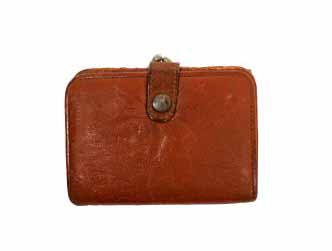
This wallet belonged to my mom and is one of the very few mementoes that we have of her.
Sabina, born 1980
Goražde, Bosnia and Herzegovina
 The Adventure of a Little Explorer
During the war, as a curious and mischievous boy, I often liked to sneak out of the apartment and explore the neighborhood. On one occasion, without the knowledge of the household, I decided to investigate the situation on the streets of Goražde. First, I went to the city pharmacy, then on to the “Svjetlost” bookstore. There were many interesting things that distracted me along the way. I felt like a character from a fairy tale, walking freely wherever I wanted.
There was a boutique right next to the bookstore. All the windows were broken, so I was able to enter the boutique and look at the clothes on display. I immediately noticed a blue tracksuit on the mannequin. It looked like it was made for me. I put it on and thought about how I would convince my mom to come to the boutique and pay for it. I reached the fountain next to the clockmaker and started to cross the street.
Suddenly I felt a pain on the right side of my thigh and a rush of heat that literally knocked me off my feet. I reached for the place where the pain was coming from and saw blood on my hand. I was wounded. A member of the Territorial Defense helped me. He took me in his arms and drove me to the hospital. The doctors stitched up my wound and bandaged it. The whole time, the only thing I could think about was how my mom was going to spank me for getting in trouble.
Later on, I was told that a sniper had watched me from the roof of a building, held me in his sights, and then pulled the trigger.
The man who helped me and drove me to the hospital was called Žužu. While I was lying wounded in the back seat of his car, Žužu comforted me. He told me to not be afraid, that everything would be fine. I will always remember that. Žužu, thank you!
Mevludin, born 1982
Goražde, Bosnia and Herzegovina
Humanitarian Aid Notebook
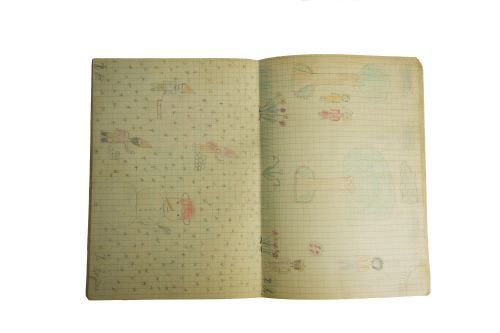
I started school in ’92, at the age of five years and eight months. There were forty-two of us in the class, all born between ’84 and ’89. The shooting often started in the middle of the school day. When that happened, we would run to a shelter underneath the stairs and wait for the shooting to stop. The school had no heating, so every Monday we brought in firewood so that there would be enough for the whole week.
I don’t remember if we had books, but I do clearly remember my first Cyrillic alphabet book from which I learned the letters. We received notebooks in our humanitarian aid packages. They were blue, with wide and narrow lines. We would use one notebook until it was completely filled. Then we would carefully erase what was written and write again in the same notebook.
I used this notebook in first or second grade.
Arijana, born 1987
Goražde, Bosnia and Herzegovina
Grandmother’s Scarf
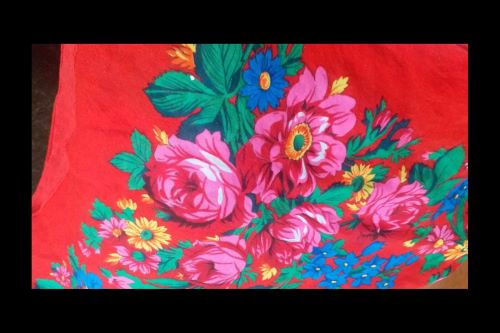
Because my family and I live by the border in the north of Gaza, we are always very close to clashes. I rarely feel safe. When I was younger, my grandmother would always try to distract me from what was happening outside. She would keep me company and tell me countless fairytales to help me feel safe.
When my grandmother passed away, I kept this scarf, which had belonged to her. Even though she is no longer with me, her scarf helps me feel safer. I want to give it to the War Childhood Museum because I want other children to know that sometimes safety can be found in small things, too.
Kefayah, born 2006
Gaza, Palestine
 Everything Is Fine, We’re Alive
On March 14th, my grandfather was injured in a missile strike. A piece of shrapnel hit him directly in the abdomen. There were no medications available. My grandfather was taken to the maternity hospital, which was located in the city center. He underwent surgery, but didn’t make it through.
We heard rumors that some people were leaving the city, but there were no corridors, and we faced constant shelling from the Russians. We managed to leave on March 16th, at our own risk. We left through the center of Mariupol, where the Drama Theater was located. I saw people pleading for help, but no one could take them in. We couldn’t help people in any way. The shelling was constant. We heard explosions and saw airplanes flying overhead. It was all so terrifying.
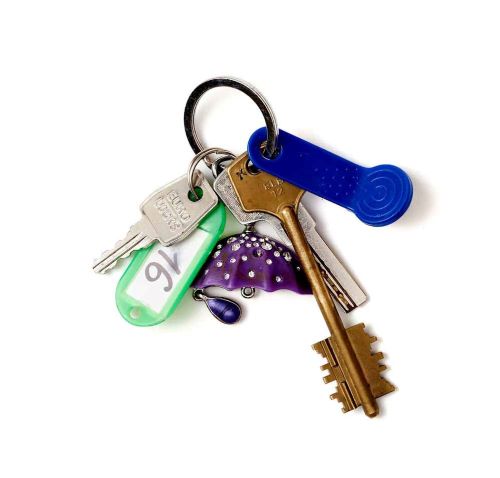
We made it out, thank God. Our convoy wasn’t shot at. Everything is fine, we’re alive. These are the keys to my apartment. I decided to give them away because the apartment no longer exists. They won’t be of any use to me. They are nothing but a memento. A memento of my city, of my home. What I’m holding now has no meaning. There is nothing left.
Amina, born 2008
Mariupol, Ukraine
Teachers from the Other Side of the Desk
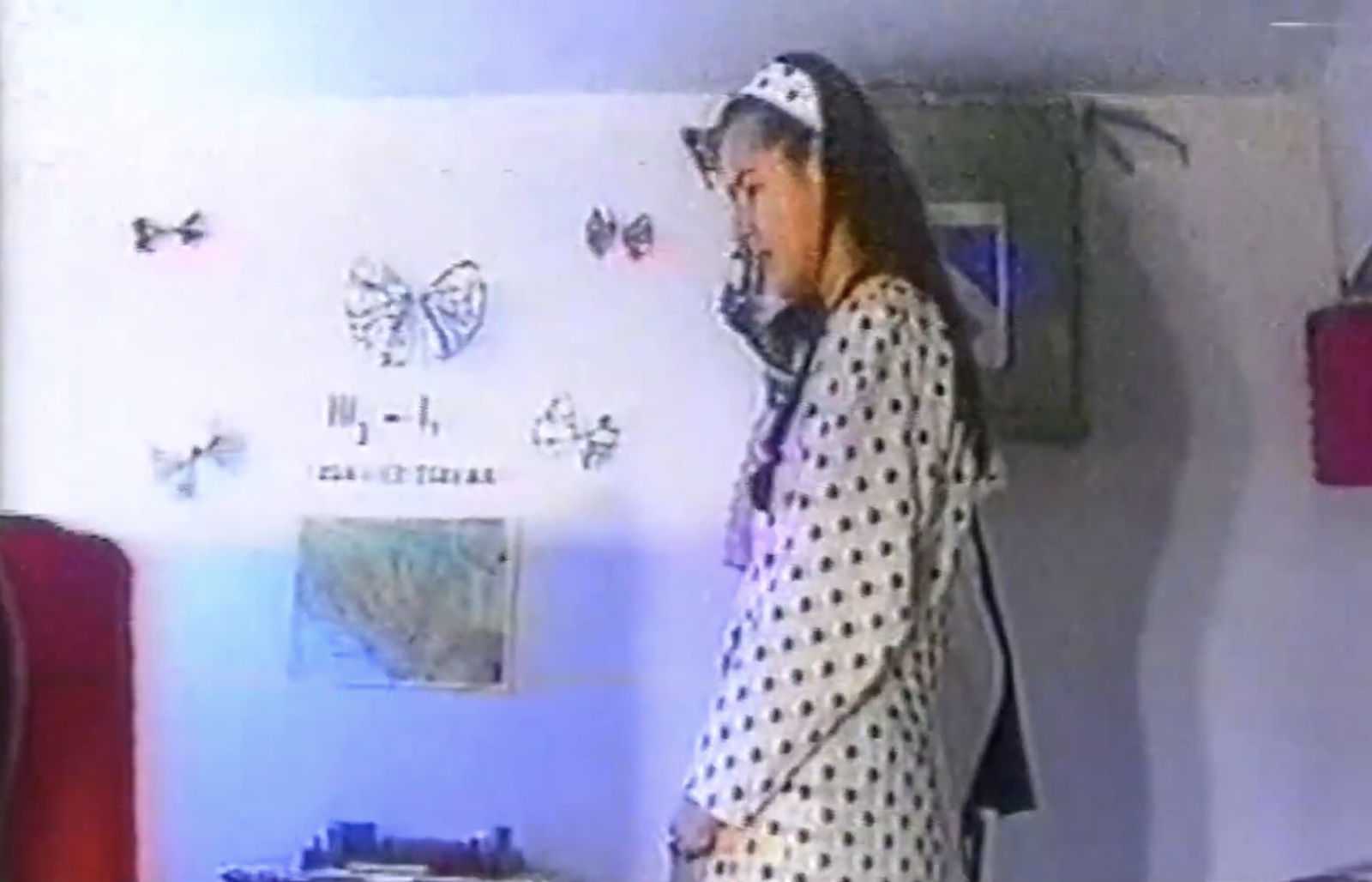
The first grenades to fall on the city signaled the end of the school year. The entryway and basement became our entire world. The two of us were best friends, and we also happened to be among the oldest girls in the building. We decided to organize a school and daycare for our younger friends. We lined desks up in the entryway and taped drawings and a map to the wall. We even devised a curriculum. We decorated a large notebook to look just like a “real” teaching planner. Every day, children would come to class. We held class as well as recess. We taught the younger children to read and write. We also taught them science and social studies, mathematics… We administered tests and written assignments, taking down the grades in our planner in red pencil. We made magazines with riddles, math puzzles, and rhymes. This lasted until an official school was organized, and then we, the “teachers”, went back to our seats, too!
Šejla, born 1977
Sarajevo, Bosnia and Herzegovina
 My Friends
This song was composed in 1994. I wrote it while sitting at a piano that had been damaged by explosions, in a room with walls full of shrapnel holes and plastic sheets covering the windows. In winter, my mother would heat a brick on the stove, wrap it in a towel, and bring it to me to put under my feet as I played. I would pull my sleeves over my fingers to keep them warm, practicing etudes and sonatas, writing and composing melodies and lyrics.
Many had left the city with their families by the time the war began in 1992, and it didn’t seem like they would be returning anytime soon. Džejna, Amer, Asim, Mladen, Marina, Emir left, and that same year our friend Ado was killed. I wrote this song because I missed them.
My performance of this song won a prize at the “What We Dreamed Through Song,” children’s festival, which was held in 1994. Later, I wrote and added a second verse to the song, and dedicated it to my friend Džejna.
This year, the song “My Friends” celebrates its 30th anniversary.
Alma, born 1980
Goražde, Bosna i Hercegovina