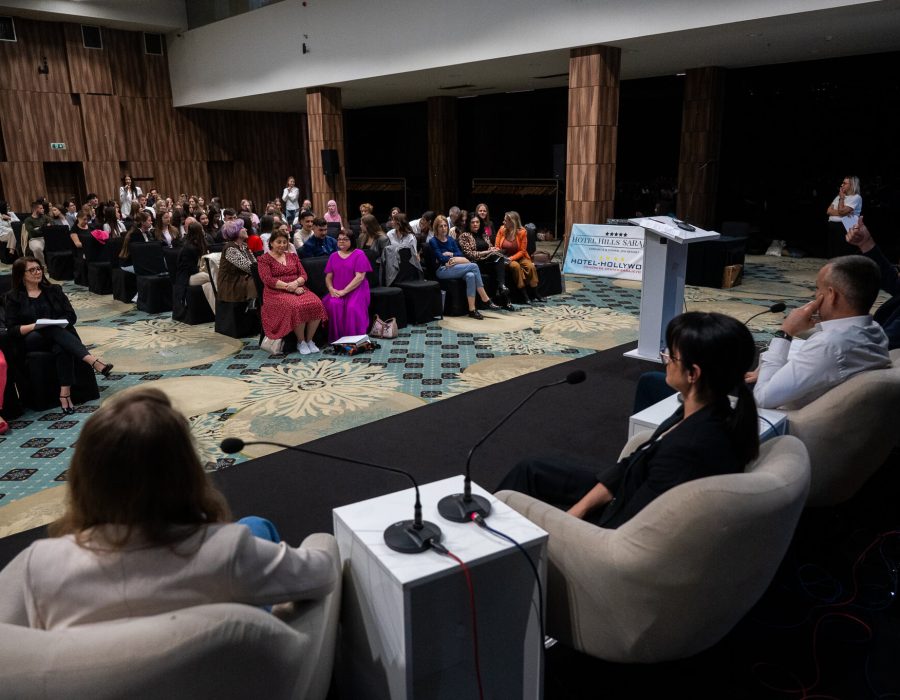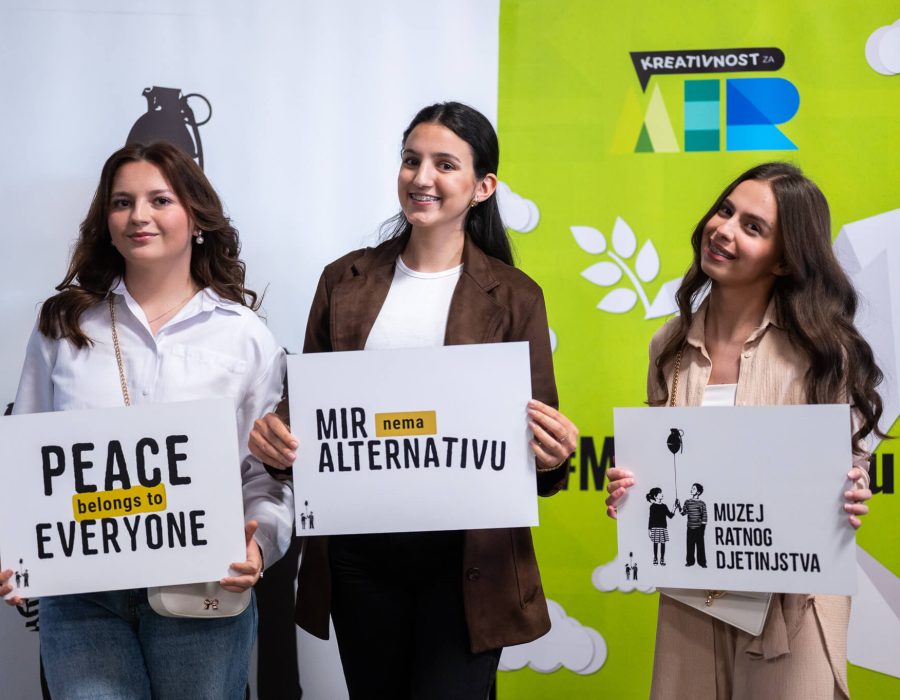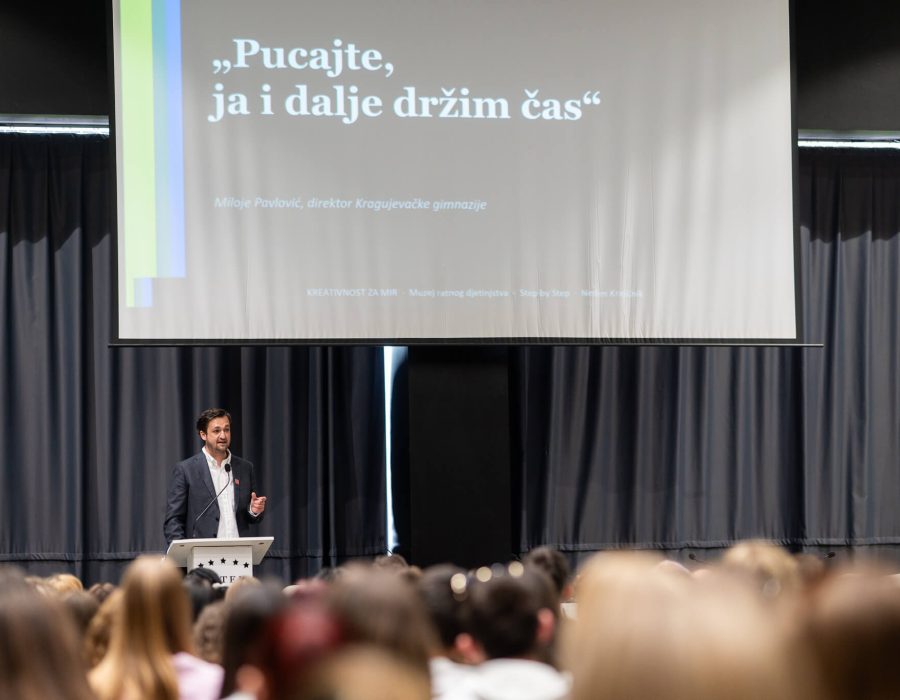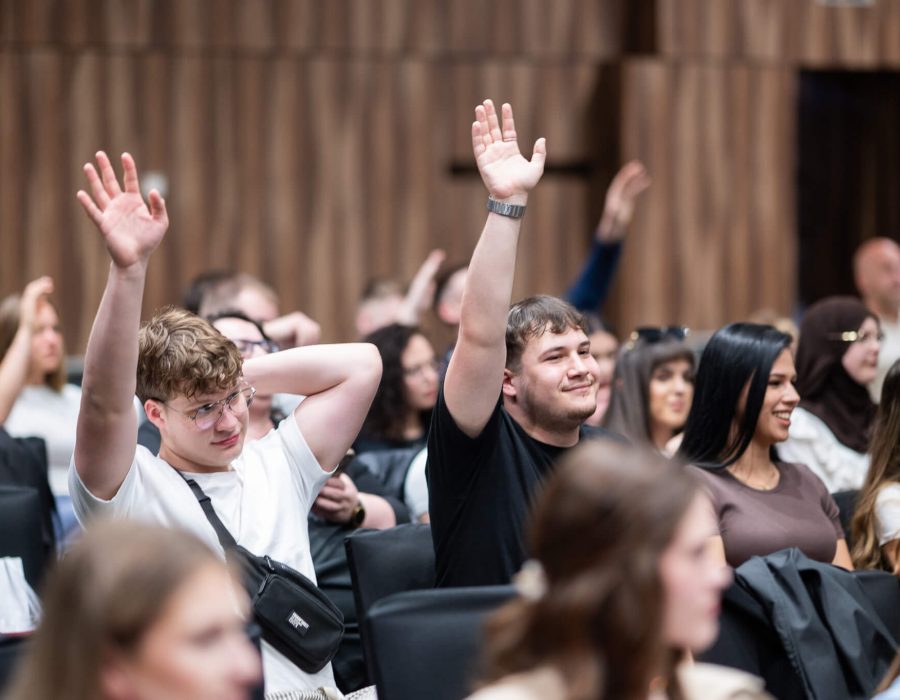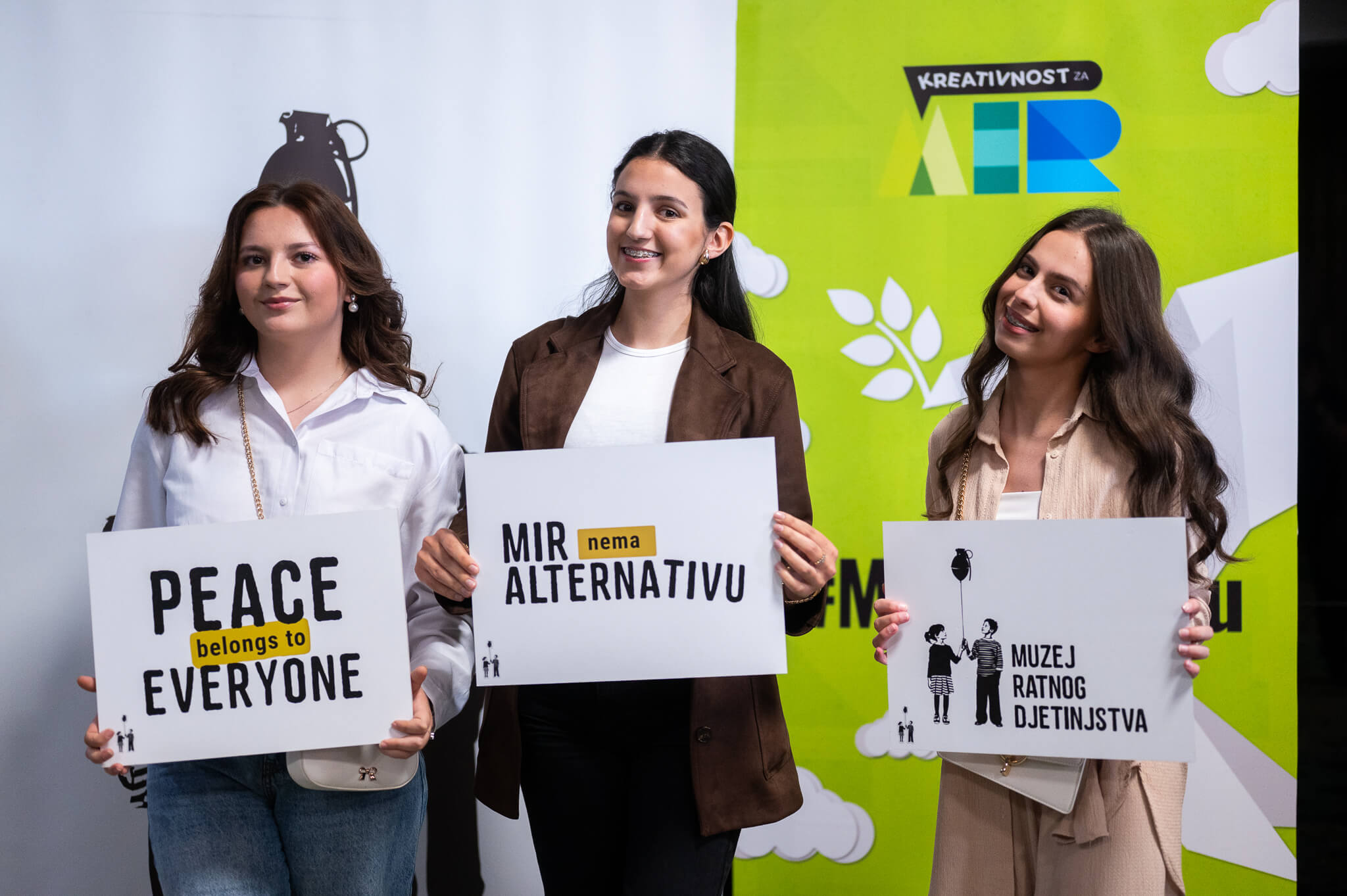
On April 27 and 28, Sarajevo hosted the closing event of the “Creativity for Peace” program, which brings together teachers and young people from across Bosnia and Herzegovina with the goal of strengthening peace education.
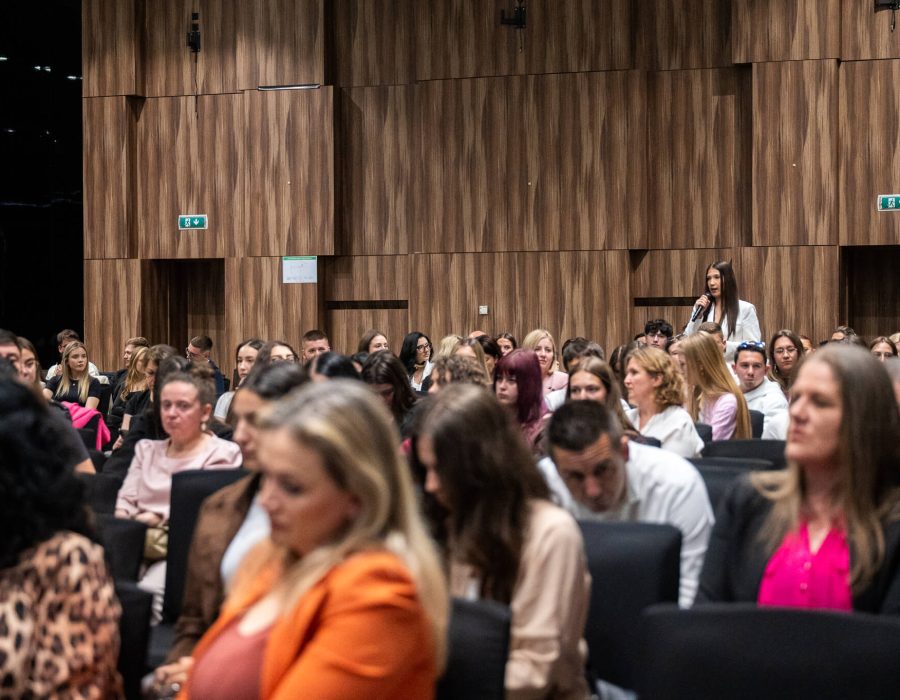
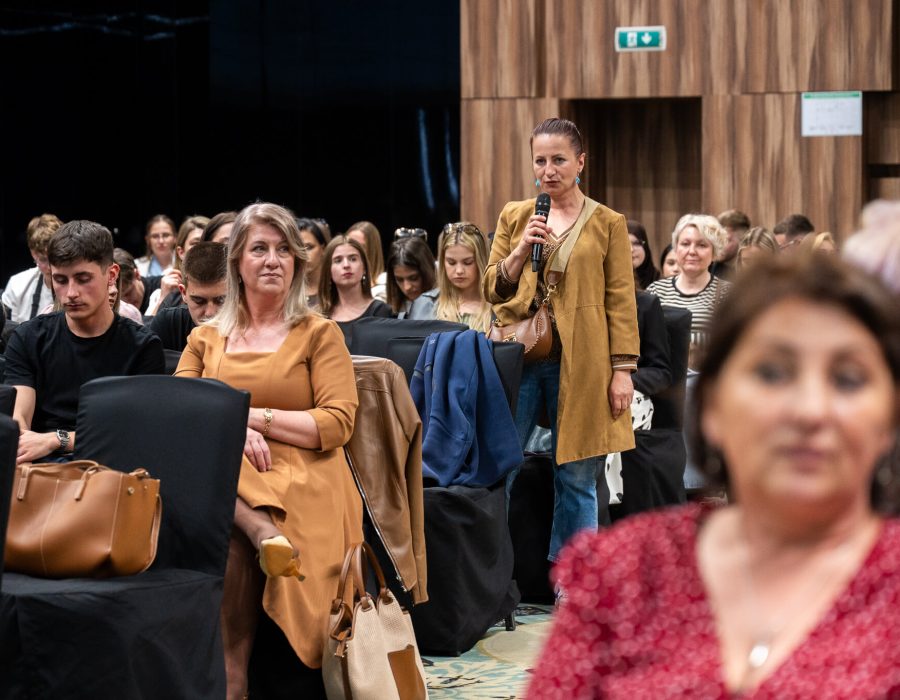
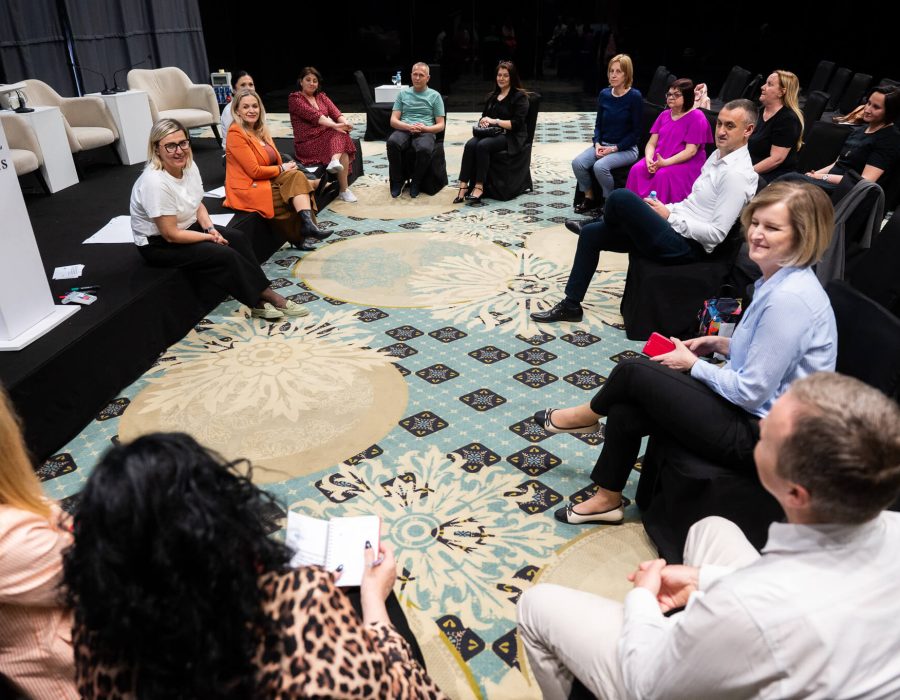
More than 150 peer educators, teachers, and professors from all parts of the country gathered to exchange experiences, present the results of their work, and discuss the future of peace education in schools.
Exchange of Experiences and Voices from the Classroom
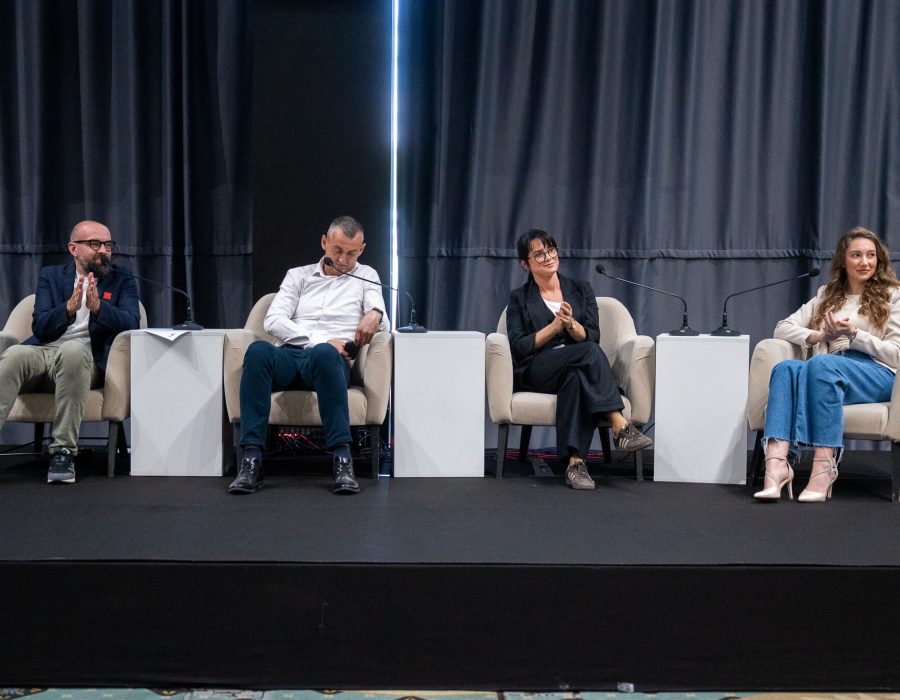
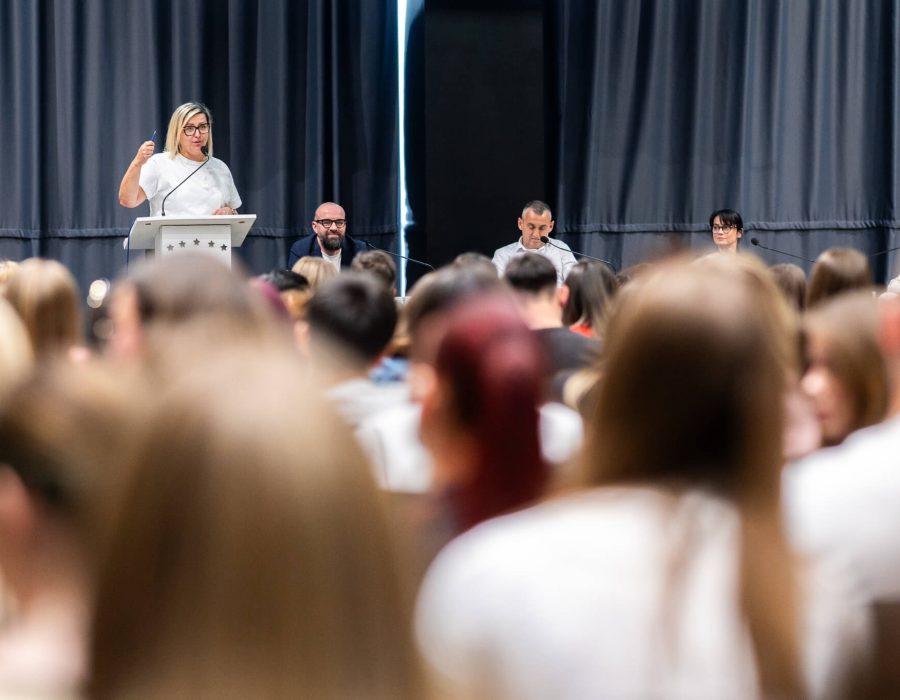
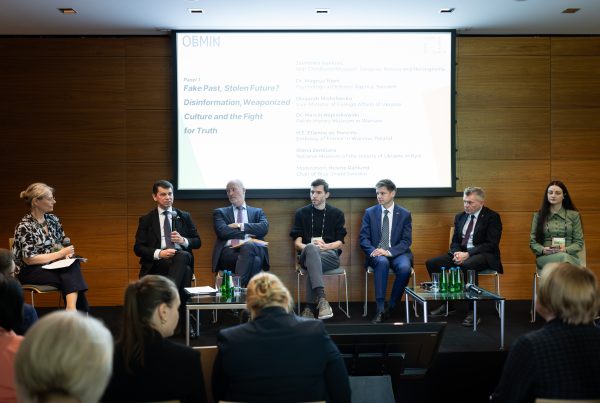
As part of the event, a panel discussion was held featuring Ajla Džambić, a peer educator from Tuzla, Lejla Đulić, a teacher coordinator from Gračanica, and Danilo Vasiljević, a teacher from Modriča. The discussion was moderated by Namir Ibrahimović from Centar za obrazovne inicijative Step by Step, a lecturer and mentor within the program.
Džambić highlighted that participants exceeded the planned number of workshops during the program after recognizing a strong need among young people for this type of content.
“We had the opportunity to learn and develop knowledge and skills for which there is often little room within the formal education system. This project is especially important to me because we had mentorship support that empowered us to independently lead workshops in the classroom,” said Džambić.
Đulić emphasized how meaningful it was for students to receive content from their peers, which made it feel more relatable and relevant.
“We should seriously consider formalizing the role of peer educators in schools,” said Đulić.
Vasiljević noted that the concept of peace is frequently mentioned, but rarely considered in practical terms.
“We encounter the term ‘peace’ all the time, but rarely reflect on how it manifests in everyday life. How do we overcome differences and solve the problems students constantly face? These are the questions we need to address,” said Vasiljević.
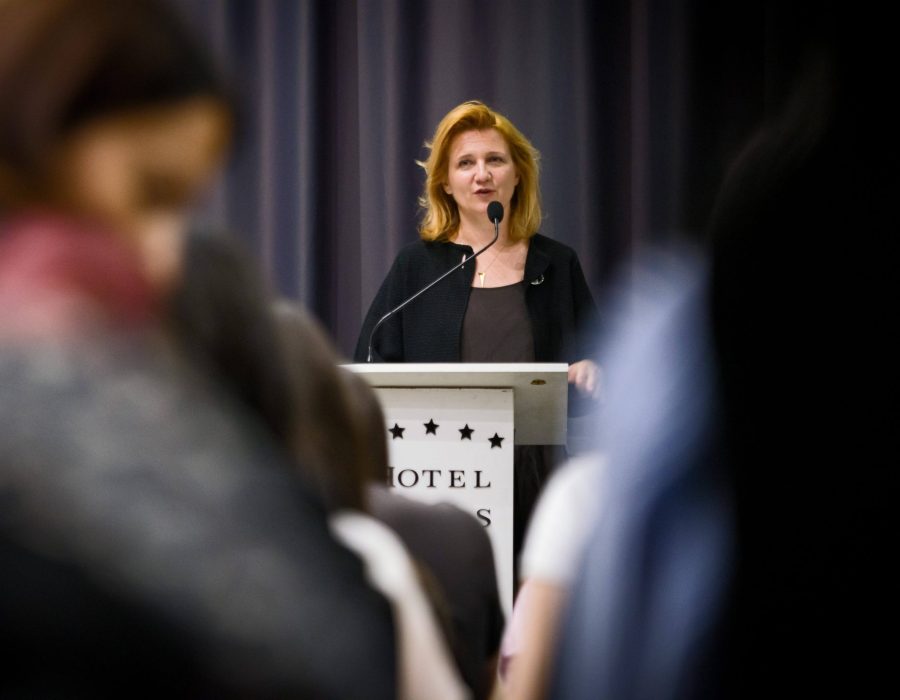
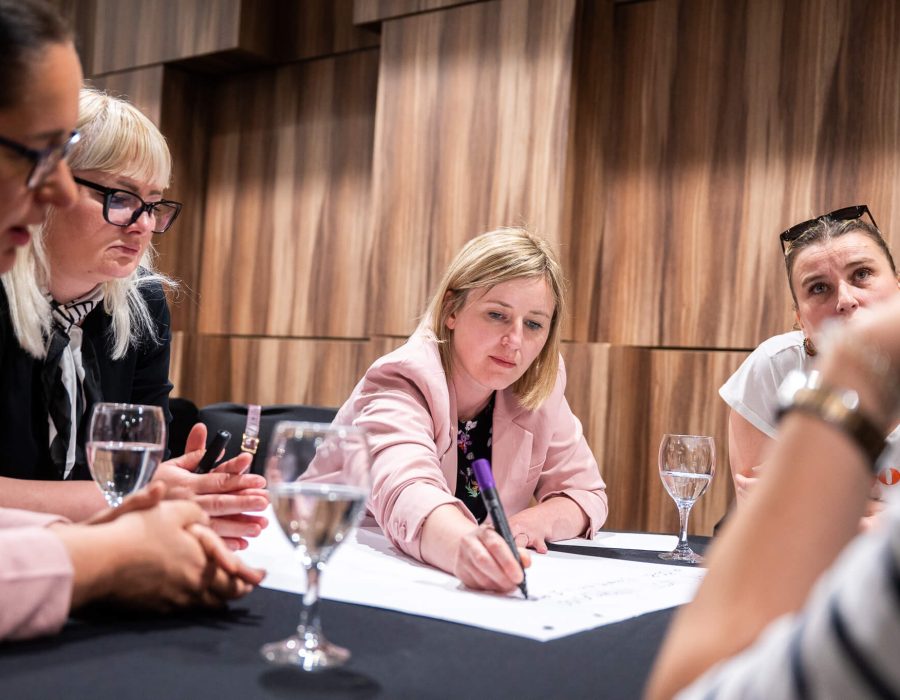
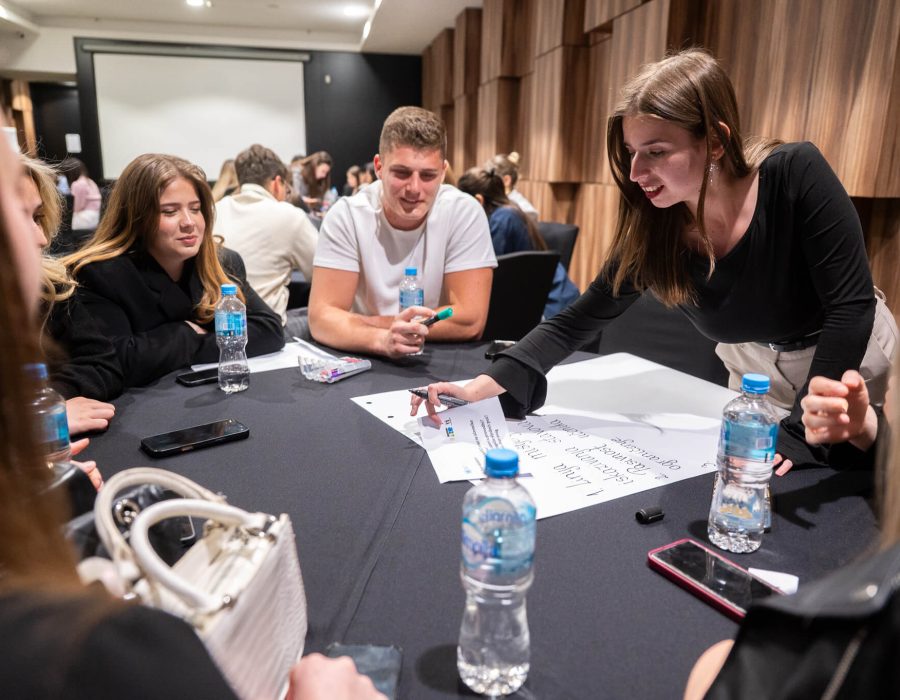
Nedim Krajišnik, Executive Director of Centar za obrazovne inicijative Step by Step, and Amina Krvavac, Director for Bosnia and Herzegovina at War Childhood Museum, also addressed the participants. During group discussions, teachers, professors, and peer educators shared recommendations on how schools can sustain the program beyond the completion of this project phase.
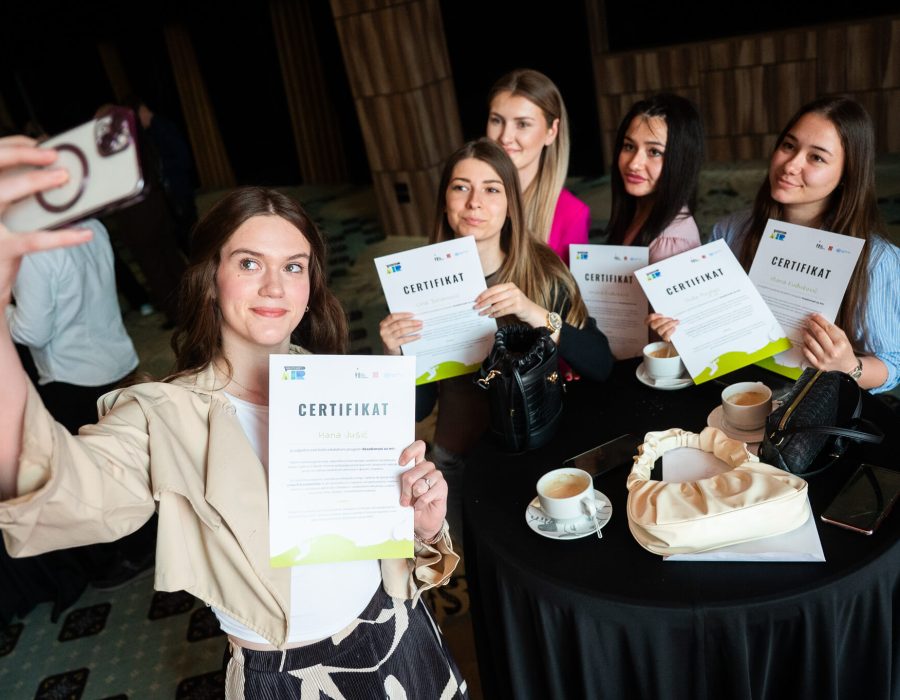
More than 60 schools took part in the program, while over 240 peer educators, teachers, and professors were trained in methods of peace pedagogy, which they continue to apply in their classrooms.