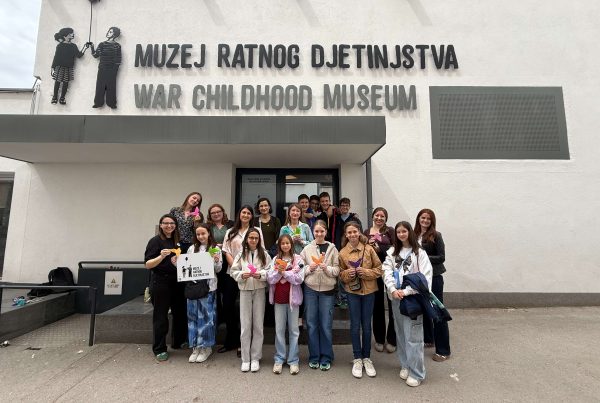
For the third consecutive year, the War Childhood Museum welcomed a group of students and teachers from Denmark for a visit to the exhibition and a peacebuilding workshop.
Although they come from a country that has not experienced recent armed conflict, the group sees the Museum as an important place for learning about the human impact of war and the role everyone can play in building peace.
Looking Beyond Dates and Statistics
For teacher Solvej Gasseholm, one of the Museum’s greatest strengths is its ability to make the realities of war relatable to young people.
“The WCM offers a new perspective on war and conflict by letting us learn from children in war. When we bring students to the museum, they can actually relate to the stories and get a better understanding of war and conflict. The stories at the WCM are very diverse and present a lot of different emotions experienced by children in war. It is not about numbers and dates; it is about the human experience of war.”
By centering personal stories and objects, the Museum creates space for visitors to connect with experiences that may initially seem distant from their own lives.
Realizing That Everyone Can Build Peace
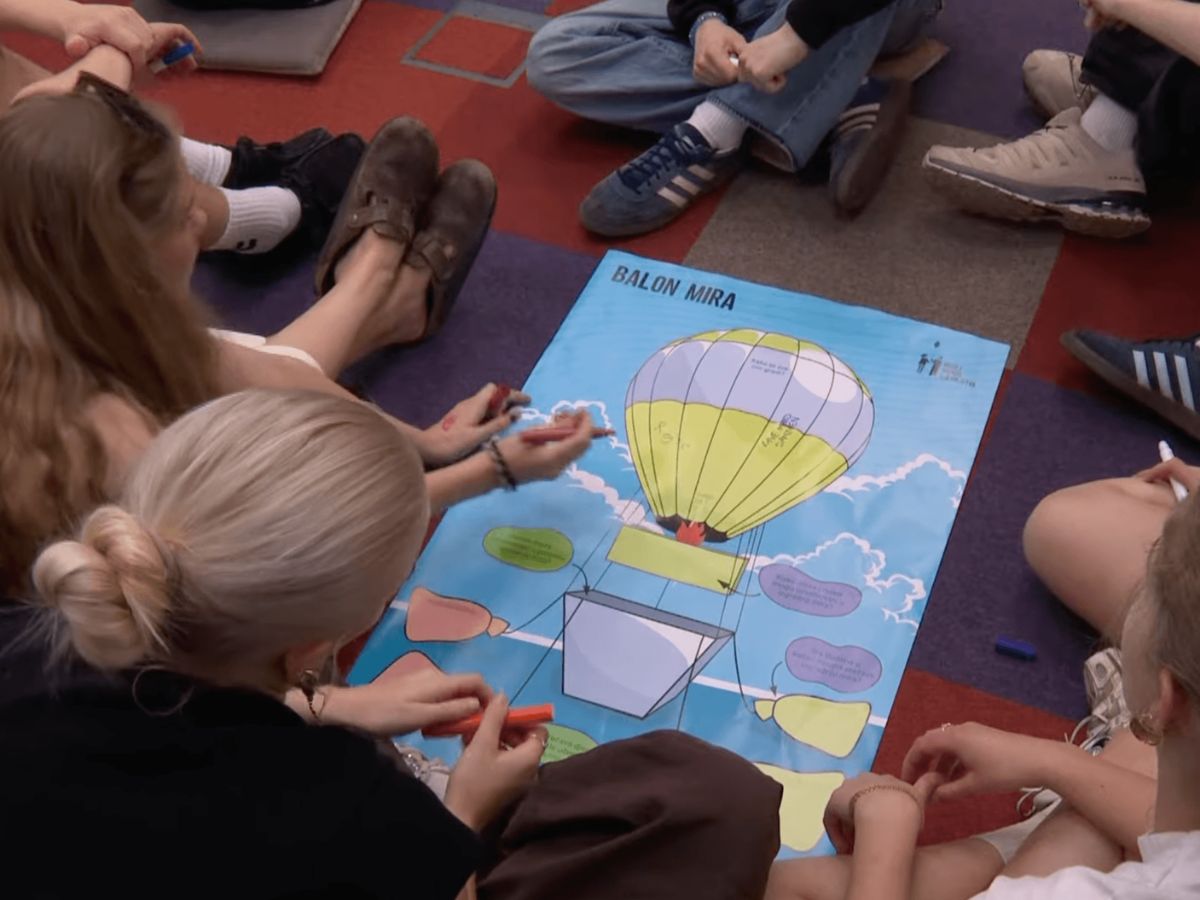
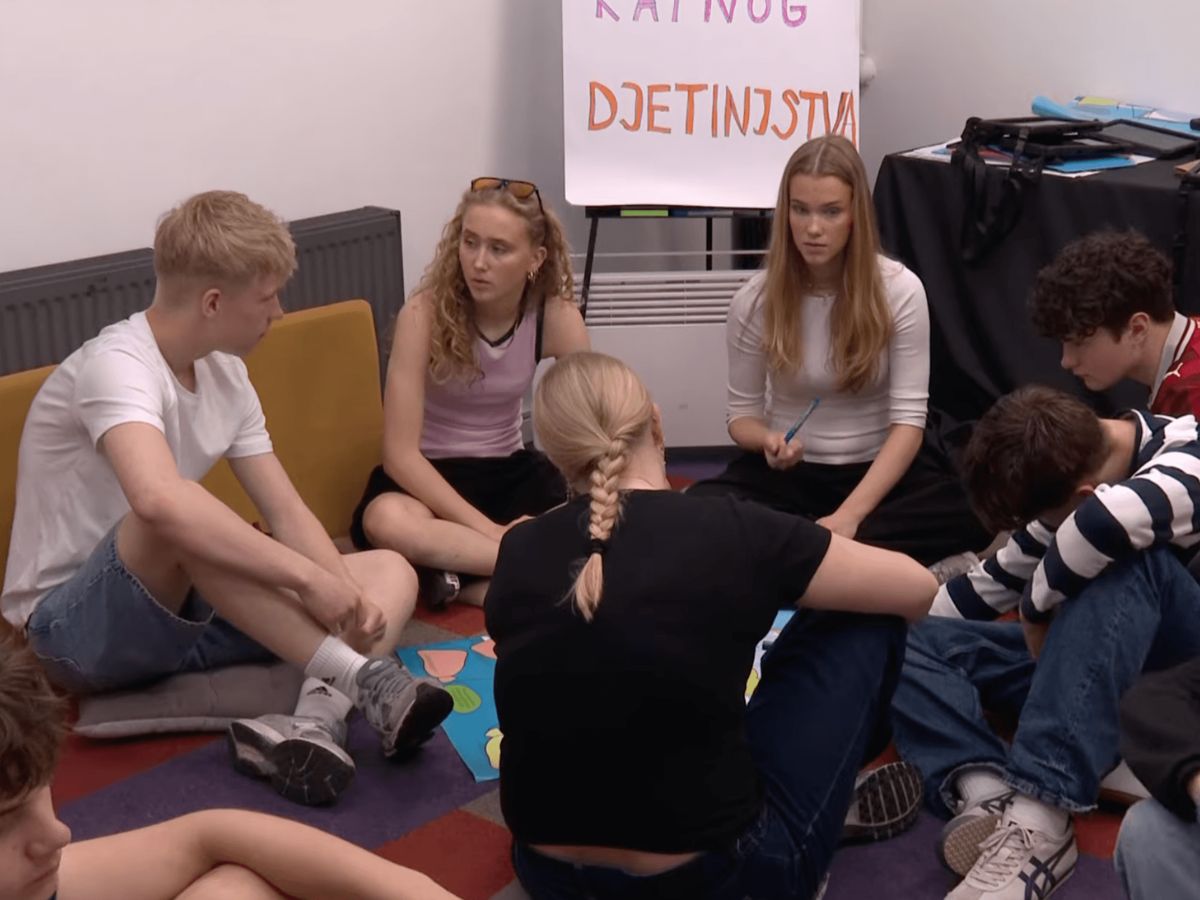
Following their visit to the exhibition, the students participated in a peacebuilding workshop that encouraged them to reflect on their own role in creating more peaceful communities.
For student Mads Thorsen, one of the most important lessons was realizing that peacebuilding is relevant even for those who have never experienced war firsthand.
“We learned new things about peacebuilding, and coming from a background with no wars, it was really an eye-opener to realize that we can also build peace. The stories and objects in the museum were really easy to relate to, and we could all find a story that touched us. We actually have a lot in common with children living under very different circumstances.”
Stories That Connect Across Borders
Year after year, visitors from around the world continue to find connections between their own lives and the experiences shared in the Museum. Through personal stories of childhood, loss, resilience, and hope, the exhibition encourages conversations that transcend borders and generations.
For these Danish students, the visit was not only an opportunity to learn about the past. It was also a reminder that building peace is an ongoing process—one in which everyone has a role to play.