As Long As We Are Together is a graphic novel based on the testimony of Srebrenica genocide survivor Almasa Salihović. Created by Swedish graphic novelist Anneli Furmark as part of the Survivor-Centred Visual Narratives (SCVN) project, the book is the result of months of conversations, careful listening, and close collaboration aimed at preserving Salihović’s memories with authenticity.
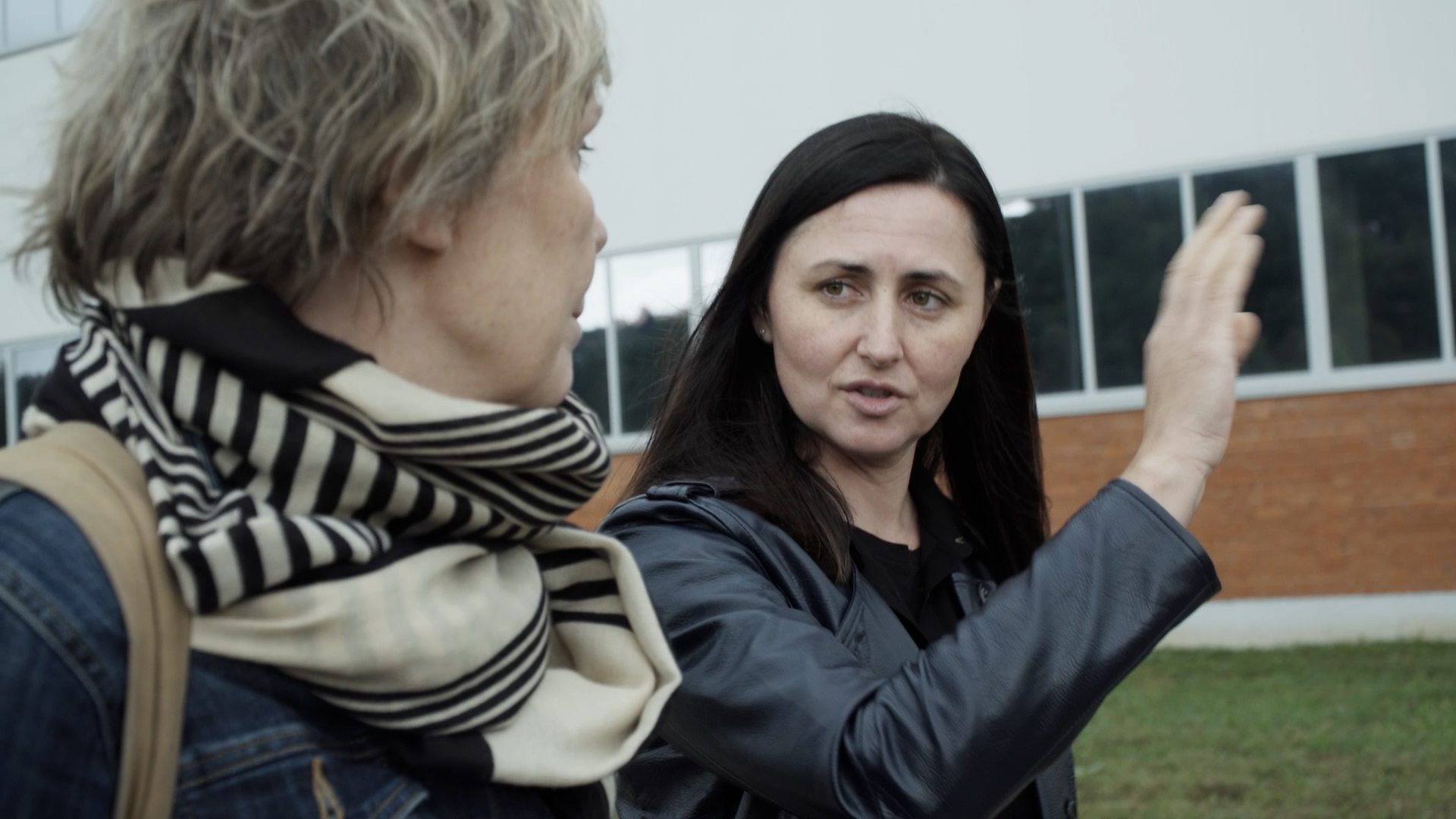
As coordinator of the Bosnia and Herzegovina part in a research cluster within the SCVN project, the War Childhood Museum facilitated the collaboration, moderating the conversations between Furmark and Salihović, a contributor to the Museum’s collection, while helping ensure that the survivor’s voice remained at the center of the creative process.
This article explores how that collaboration took shape, and what it meant for both the survivor who shared her story and the artist entrusted with bringing it to the page.
Keeping the Story Authentic
For Almasa Salihović, taking part in the project meant accepting the emotional difficulty of revisiting the past in order to ensure that her experience would be preserved and understood.
“Returning to those memories is never simple. Every conversation means reliving moments that you spend a lifetime learning to carry. But I have always believed that it is more important to speak than to remain silent, because testimony has the power to preserve the truth.”
Rather than focusing solely on violence and loss, Salihović wanted the graphic novel to preserve the people, relationships, and everyday life that existed before the genocide.
“The most important thing to me was that the story remained authentic—that it spoke not only about my family’s tragedy and our loss, but also about my brother as I remember him, about our dignity as survivors, and about our strength to keep going despite everything. I wanted people, as they turned the pages of the graphic novel, to understand and imagine that behind every number is a person’s life; that behind every face is an individual, a family, and dreams that were never realized because they were cut short.”
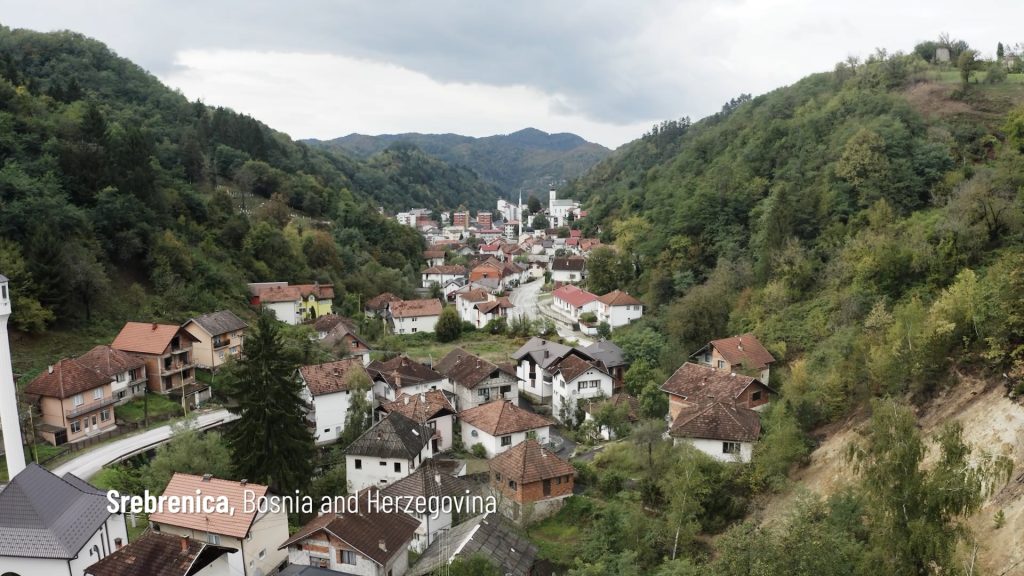
For Salihović, the project also demonstrates the unique role art can play alongside historical documentation, helping readers connect with individual experiences on an emotional level.
“Historical facts are unquestionable and they are the foundation of our understanding of the past. But a graphic novel can help people feel the human dimension of those events. It allows us to empathize through shared moments.”
She believes this emotional connection is particularly important for younger generations, who may encounter the history of Srebrenica for the first time through formats such as graphic novels.
“I believe that younger generations, in particular, can more easily connect with the story through this format, ask questions, and develop empathy. If art can inspire someone to learn more about Srebrenica and understand why it is important to preserve the truth, then I will be even prouder to have been part of this project.”
Drawing Another Person’s Memory
For Anneli Furmark, illustrating As Long As We Are Together meant navigating the delicate balance between imagination and responsibility.
Translating lived experience into a visual narrative meant confronting the limits of personal experience. While Salihović’s testimony guided every page, Furmark also had to consider how an artist depicts emotions and situations she has never experienced firsthand.
“When you draw, you inevitably draw your own embodied memories of emotions like loss, fear, and exhaustion. My own experiences are present in the drawings too, while the experiences I haven’t had myself—extreme hunger, for example—I’ve had to imagine as best I could.”
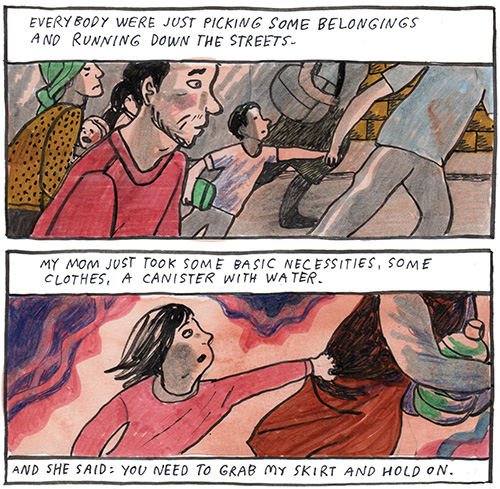
She believes graphic novels possess a unique ability to communicate across both words and images.
“Graphic novels can reach you through more than one sense. I sometimes think of them as being like a song: the lyrics are one thing, the music another, but together they create something third. Something with a greater chance of breaking through your psychological defenses.”
That combination of text and image, she suggests, can create an emotional openness that allows readers to engage with difficult histories in ways that conventional formats sometimes cannot.
A Collaboration That Changes Everyone Involved
The creative process became an exchange that affected both collaborators. While Salihović entrusted Furmark with her memories, Furmark left the project with a different understanding of war and its lasting impact.
“Meeting Almasa and the other people I met in Bosnia has been very meaningful to me. I’ve come to know people with first-hand experience of war. My mother is one of them too, but the distance in time has made her story feel more abstract to me. Now it has become much more real.”
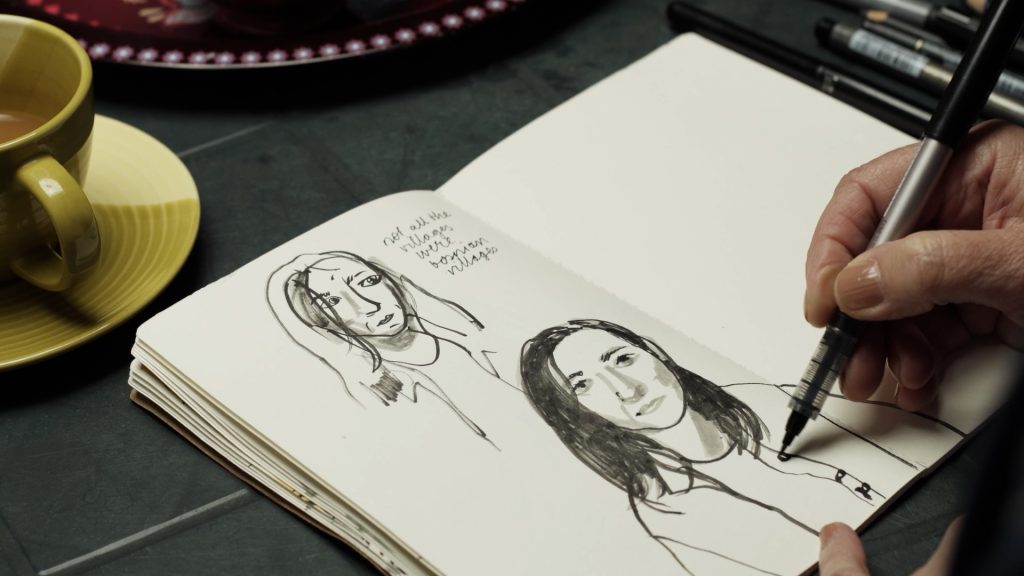
The collaboration demonstrates what survivor-centered storytelling can make possible when survivors remain active participants in how their own stories are told. Rather than treating testimony simply as source material, the creative process became an ongoing dialogue about memory, representation, and responsibility.
For the War Childhood Museum, this approach reflects a broader commitment to preserving childhood memories of war in ways that remain faithful to lived experience while making them accessible to new audiences. As the graphic novel reaches readers across different countries and languages, it carries with it not only one survivor’s memories, but also an invitation to reflect on the importance of remembrance, empathy, and the responsibility each generation bears in safeguarding human dignity.
As Salihović puts it, remembrance is never only about the past.
“Memory is never completely turned toward the past. It always contains lessons—and a glimpse of the future. Young people need to understand that they, too, have a responsibility to defend a future that is more just, more peaceful, and more humane.”