How can the memories of genocide be preserved for generations who did not witness it?
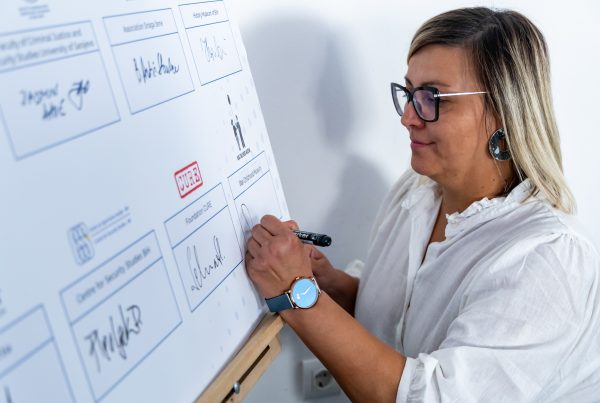
This question lies at the heart of Survivor-Centred Visual Narratives (SCVN), an international research and artistic collaboration that documents the experiences of survivors of genocide and mass atrocities through graphic novels and other visual forms of storytelling. Bringing together survivors, researchers, artists and cultural institutions from different parts of the world, the project explores how art can help preserve testimony while placing survivors’ voices, agency and wellbeing at the center of the creative process.
As part of the project, the War Childhood Museum coordinated the part about Bosnia and Herzegovina in the Yugoslav Wars research cluster, centered on the story of Almasa Salihović—a survivor of the Srebrenica genocide, contributor to the Museum’s collection, and spokesperson for the Srebrenica Memorial Center.
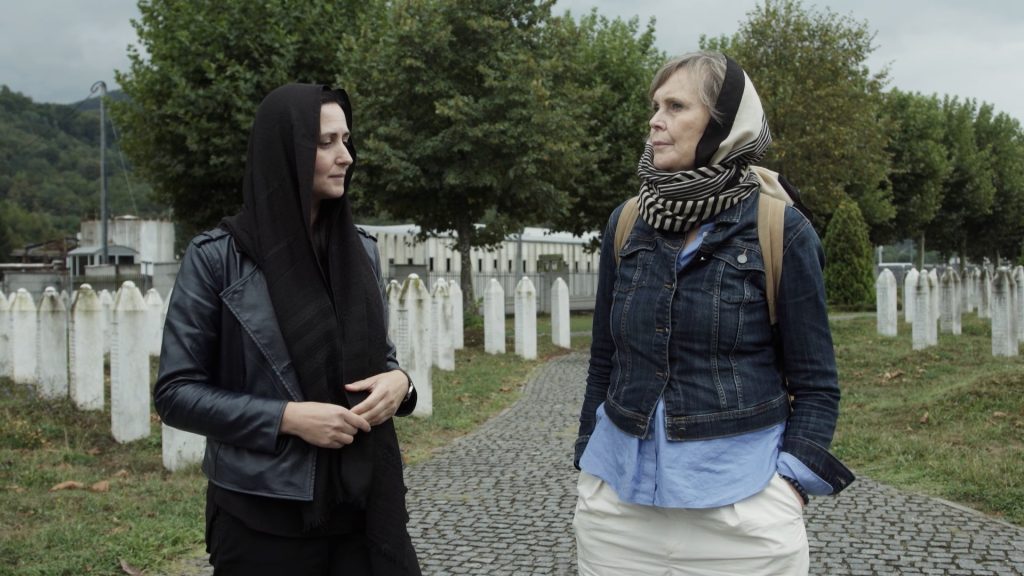
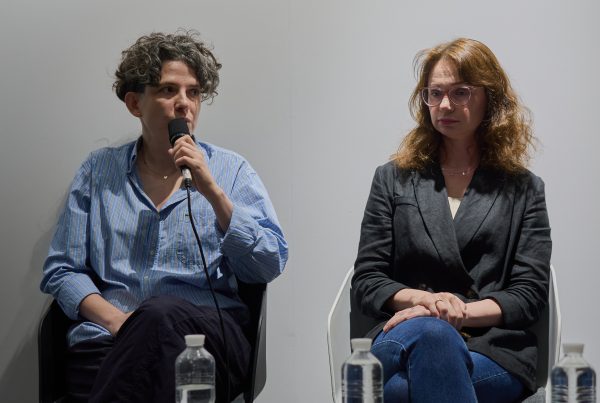
Almasa Salihović and Anneli Furmark in conversation
Memories of Srebrenica
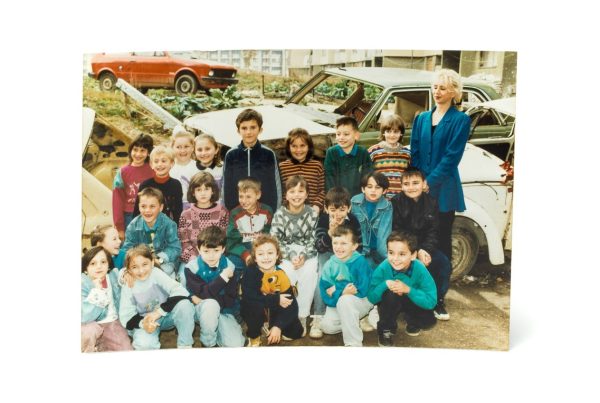
Over a series of conversations held throughout 2023 and 2024, Almasa shared memories of her childhood in the village of Skejići, her family’s flight to Srebrenica in 1993, life inside the besieged enclave, and the events surrounding the fall of Srebrenica in July 1995. Rather than serving as a conventional interview, these conversations formed the foundation of a collaborative creative process rooted in trust, careful listening and respect for lived experience.
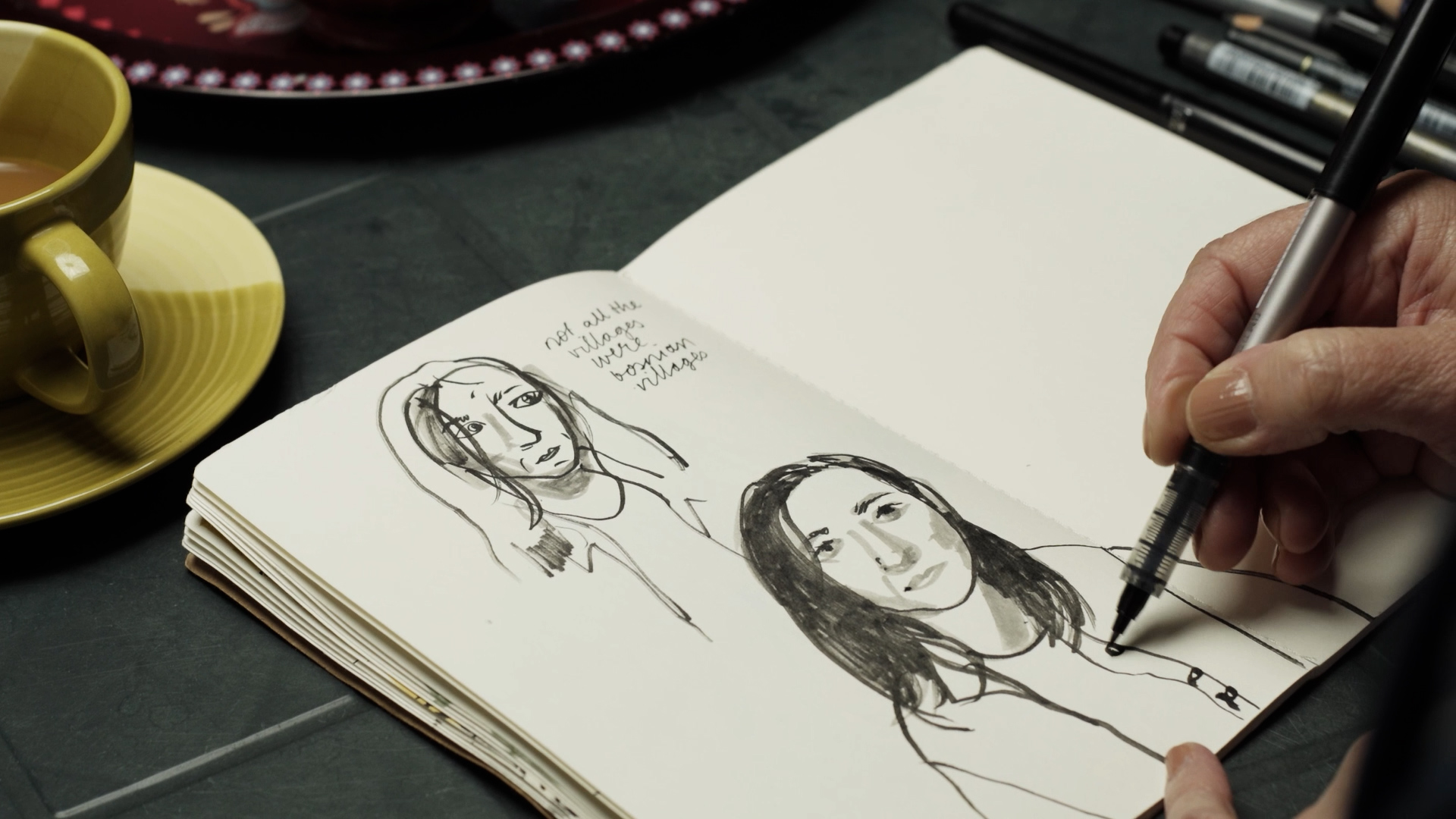
The conversations were held between Almasa and Swedish graphic novelist Anneli Furmark, moderated by WCM’s Ajnura Akbaš. Drawing on these testimonies, Furmark created the graphic novel As Long As We Are Together, transforming Almasa’s memories into a visual narrative while remaining faithful to her voice and experiences.
Beyond the Graphic Novel
Their collaboration was also featured in the SCVN documentary short film “Almasa’s Story”, directed by filmmaker Bojan Hadžiabdić. The film follows Almasa as she revisits the physical and emotional geography of her past: the fields and hillsides of Skejići, the escape routes families took, and the places where survivors gather each year to commemorate the genocide. The film traces Almasa and Anneli’s conversations, revealing how Anneli approached transforming Almasa’s memories into visual form. The trailer is available to watch on SCVN’s YouTube.
The Yugoslav Wars research cluster is one of five research clusters working with survivors, including the Holocaust, Rwanda, Iraq/Syria, and Turtle Island, where the SCVN project explores survivor-centred, trauma-informed approaches to visual storytelling. Rather than illustrating historical events alone, the project seeks to document individual memories with care, recognizing survivors as active collaborators in the creation of their own narratives.
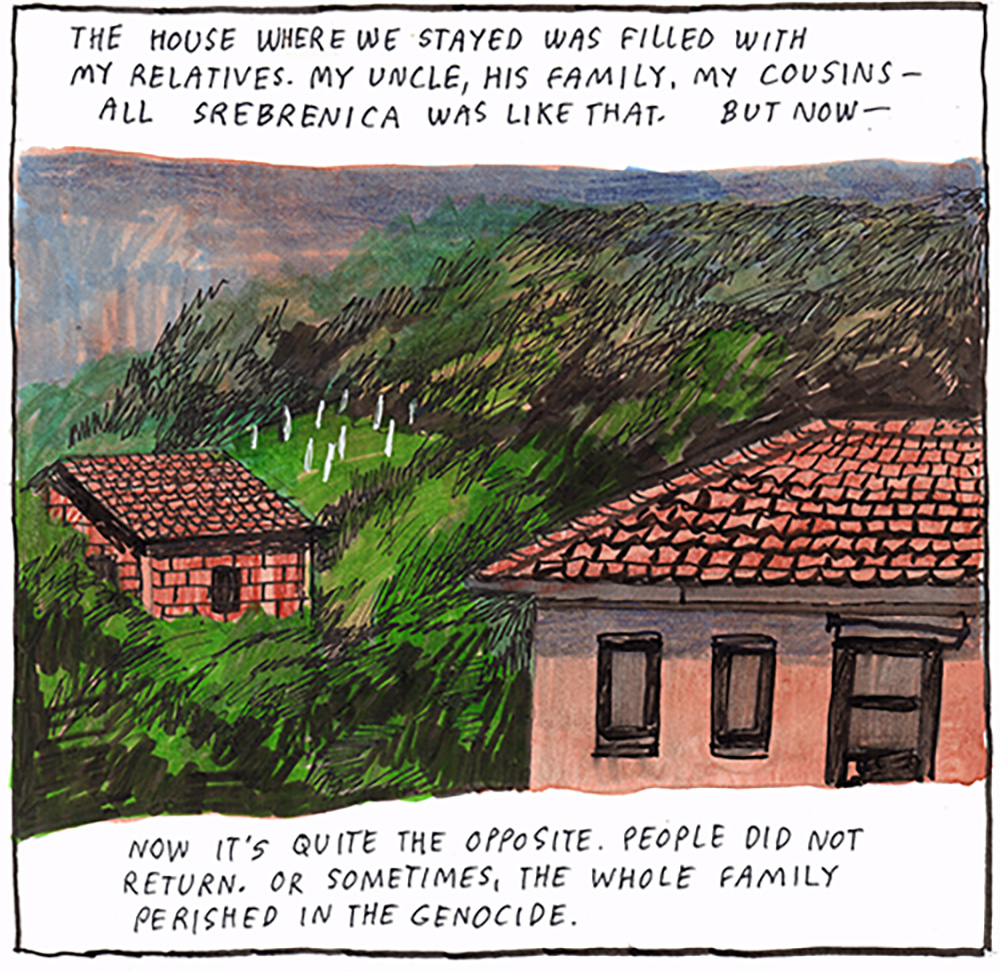
A panel from the graphic book
Visual Storytelling
Graphic novels have increasingly become an important medium for engaging readers with complex historical subjects. Combining testimony, illustration and sequential storytelling, they offer a way of approaching difficult histories that is both emotionally resonant and accessible, particularly for younger audiences encountering these events for the first time.
For the War Childhood Museum, participation in the project reflects our ongoing commitment to preserving childhood memories of war through diverse forms of storytelling and making those stories accessible across generations and cultures. The graphic novel “As Long As We Are Together” will be released in German by Avant Verlag in October and in English by University of Toronto Press in early 2027.