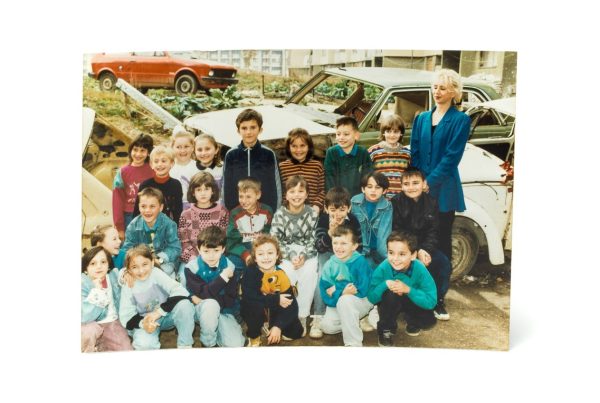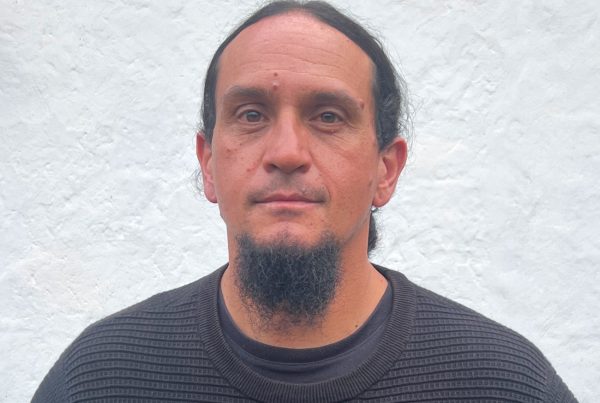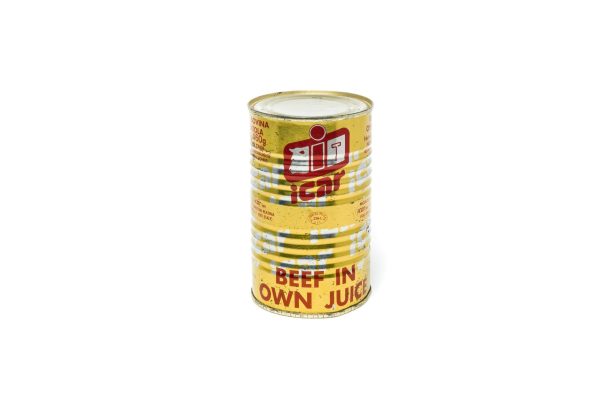
In early June, the War Childhood Museum (WCM) launched a research and documentation project in Colombia, continuing its work to document and preserve experiences of childhood shaped by armed conflict around the world. The research is being conducted by Louis Monroy, WCM Research Collaborator, a university lecturer in Colombia whose work focuses on international relations, peacebuilding, and transitional justice.
Colombia’s decades-long armed conflict has taken different forms and affected generations of children and families across the country. Through its work in Colombia, WCM is collecting personal stories and objects that shed light on childhood experiences from 1948 to the present day—from the emergence of guerrilla movements and the period marked by drug cartels, through the expansion of paramilitary violence, to the peace agreement and conflicts of recent years.
“Each year, we continue to develop our research activities in order to include as many diverse stories as possible in our collection. While every conflict is different, the impact on childhood carries common threads across time and place. Including stories from Colombia is important to the WCM’s mission of ensuring that more children’s experiences of war are being heard,” said Aynura Akbaš, Research Manager at the War Childhood Museum.
Documenting Experiences Across Colombia
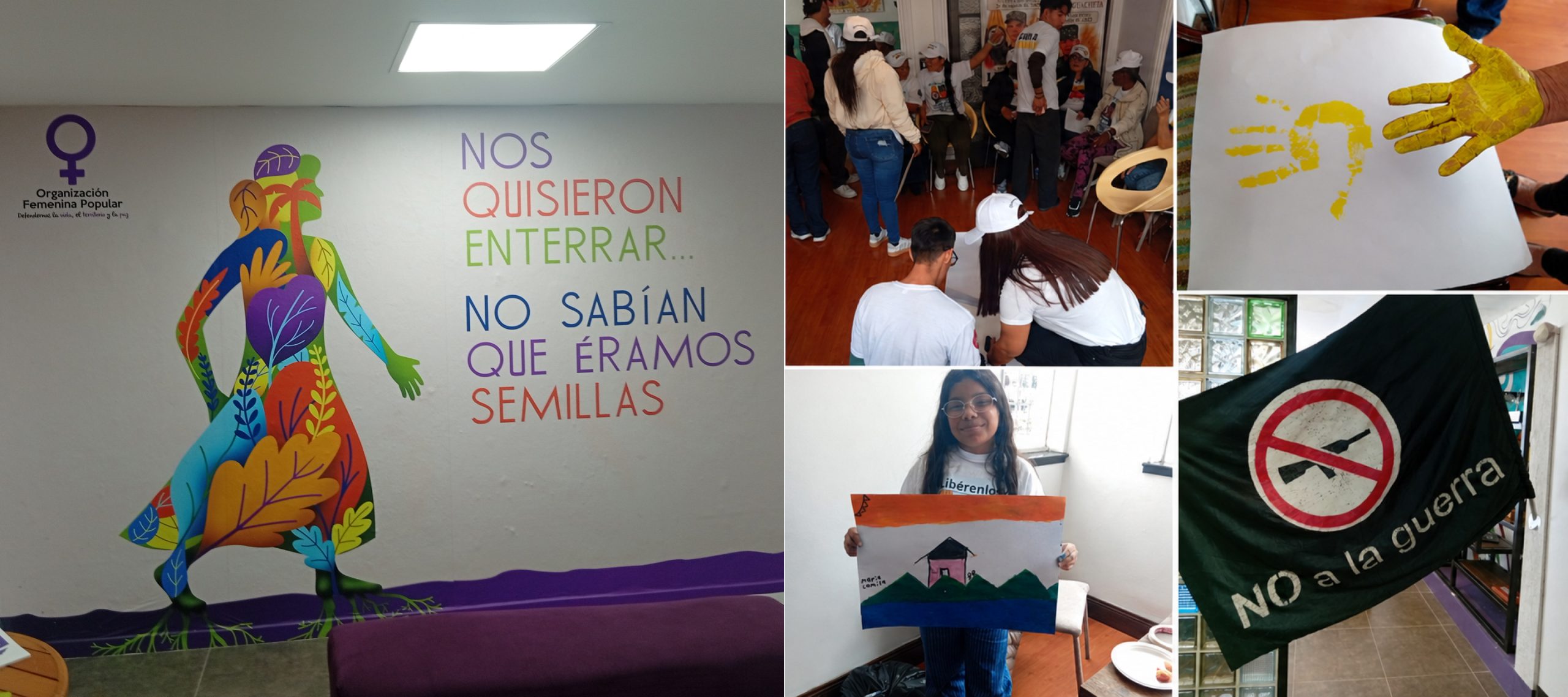
In July, Monroy conducted field research in Barrancabermeja, where he documented the experiences of people who were forcibly recruited into guerrilla groups as children. During his stay, he also visited the House of Memory and the Human Rights of Women, an organization with a long-standing commitment to human rights, memory, and the experiences of women affected by violence.
“These stories serve as an insight into some of the underlying issues behind the Colombian armed conflict, serving as a tool for non-repetition of violent acts against society,” said Monroy.
The research process seeks to create space for participants to share their experiences on their own terms, recognizing that memories of conflict are deeply personal and that there is no single way to tell a story about childhood and war.
“The Museum’s Colombian collection brings together personal stories and objects connected to childhoods shaped by armed conflict, spanning the period from 1948 to the present day. Each story offers an individual perspective on how armed conflict has shaped childhood in Colombia,” says Aynura Akbaš, Research Manager at the War Childhood Museum.
Creating Space for Children and Young People to Share Their Stories
At the end of July, WCM supported the organization of a workshop in Bogotá for children and young people whose family members had been kidnapped by guerrilla groups. Using artistic methods, participants were invited to explore and communicate their experiences in ways that felt most appropriate to them. Some chose to contribute stories and personal objects with the Museum, becoming contributors to its growing Colombian collection.
The workshop reflects an important principle of WCM’s research and documentation methodology: children and young people should have agency over how, when, and whether they share their experiences. Objects, drawings, photographs, memories, and personal stories can all become ways of communicating experiences that may be difficult to capture through conventional forms of testimony.
The work underway in Colombia is part of the War Childhood Museum’s broader commitment to preserving the voices and experiences of children affected by armed conflict worldwide. As the Colombian collection continues to grow, the Museum aims to document the diversity and complexity of these experiences while respecting each contributor’s dignity and their right to tell their story in their own way.