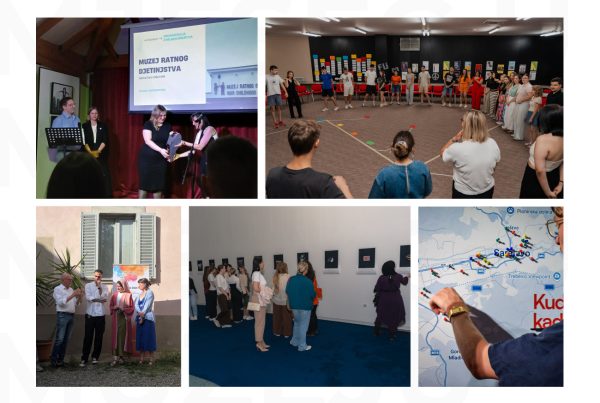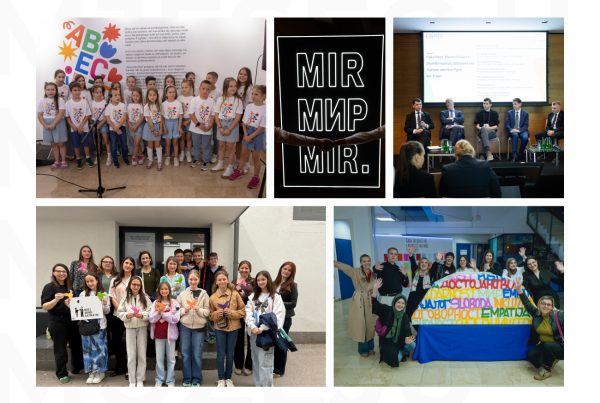
This July, the War Childhood Museum continued its work through educational visits, public engagement, international storytelling initiatives, peacebuilding programs, and institutional development. Throughout the month, we also marked important international observances, highlighted stories from our collection, and shared projects that preserve children’s experiences of war across generations and conflicts.
Read more about our activities this month:
Educational Programs and Visits
Throughout July, we welcomed educational groups and visitors from Bosnia and Herzegovina, Italy, Ukraine, Japan, Belgium, and across the Western Balkans.
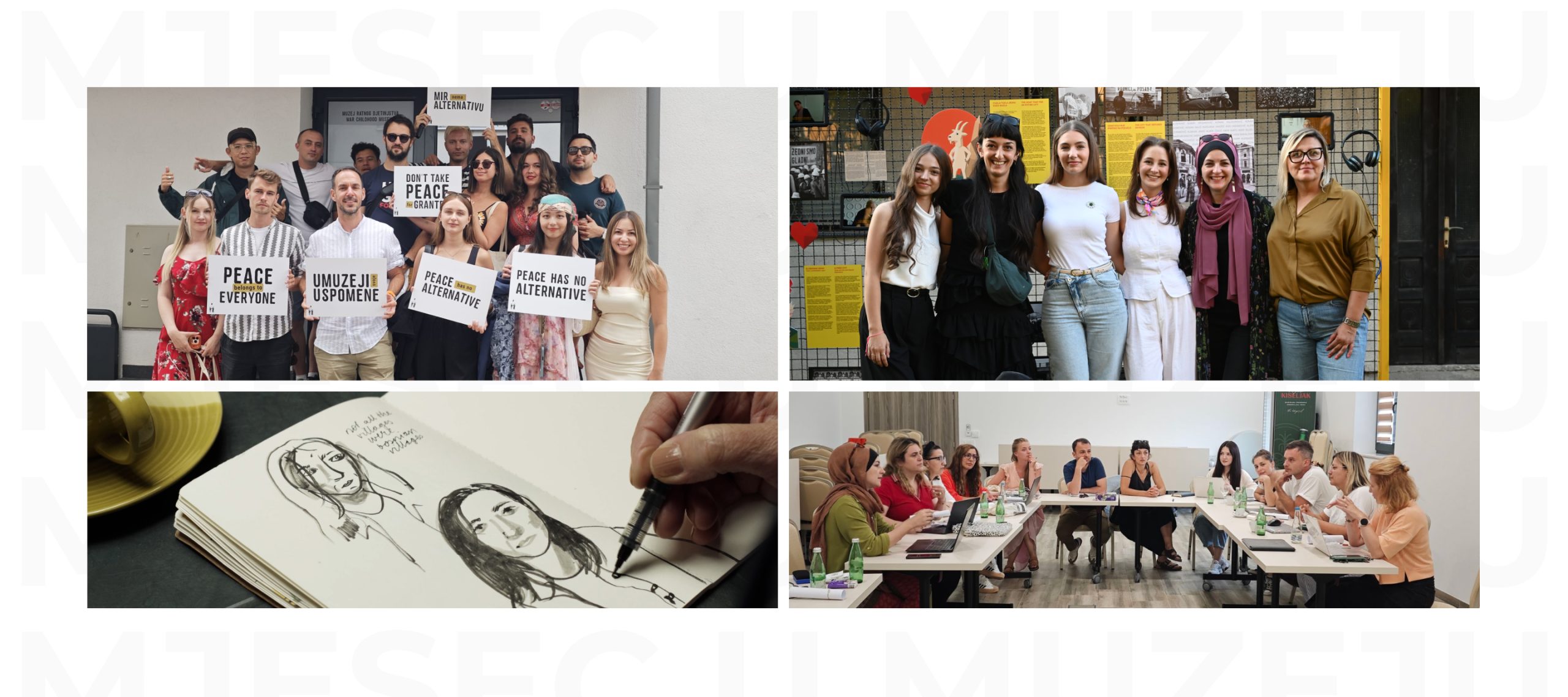
The Museum also welcomed 11 travel creators from eight countries as part of the Discovering Bosnia & Herzegovina journey led by travel creator Robert Dacešin. During their visit to Sarajevo, participants learned about children’s experiences of war through the Museum’s collection and reflected on the importance of preserving personal memories as part of our shared history. Take a look at what they had to say about the visit here.
Peacebuilding Programs and Exhibitions
In July, the War Childhood Museum opened the final exhibition of the Furaj mir (“Live Peace”) program in Tuzla.
Titled “A City Built on a Grain of Solidarity,” the exhibition explores how anti-fascist resistance, Tuzla’s industrial heritage, and the memory of the Kapija Massacre have shaped the city’s identity. Through months of research, participants examined how traditions of solidarity, justice, and civic responsibility continue to inspire young people today and how this heritage can contribute to building more peaceful and inclusive communities. Take a look at the atmosphere at the opening here.
Marking International Days
On 11 July, marking the International Day of Reflection and Commemoration of the 1995 Genocide in Srebrenica, we presented As Long As We Are Together, a graphic novel based on the testimony of Srebrenica genocide survivor Almasa Salihović.
Created by Swedish graphic novelist Anneli Furmark as part of the Survivor-Centred Visual Narratives (SCVN) project, the publication is the result of months of conversations and close collaboration centred on preserving the survivor’s voice with authenticity. As coordinator of the Bosnia and Herzegovina component of the SCVN research cluster, the War Childhood Museum facilitated the collaboration between Furmark and Salihović while supporting the development of the project from its earliest stages.
We also shared the story behind the creation of the graphic novel, offering audiences a closer look at the collaborative process through which testimony was transformed into a visual narrative.
Institutional Development
After an intensive first half of the year, the War Childhood Museum team gathered in Livno for its semi-annual planning session and staff retreat.
The retreat provided an opportunity to reflect on achievements, review ongoing priorities, strengthen collaboration across teams, and plan the Museum’s activities for the months ahead.
Media Mentions
The War Childhood Museum continued to receive attention in regional media throughout July. Below is a selection of coverage from the past month:
- The Doll Without an Eye– BHRT Radio (BOSNIAN)
- Participants from 13 Countries Visit the War Childhood Museum as Part of the International Summer School “Youth and Heritage”– (VIDEO, BOSNIAN)
- “More Than Football: Bosnia and Herzegovina Prepare for Historic Match Against the United States”– Radio Free Europe/Radio Liberty (BOSNIAN)