Along with documenting the experiences of children affected by the Russo-Ukrainian War, the War Childhood Museum Ukraine’s team also works with the stories of people who survived World War II as children.
Today, almost 90 years after the war began, these testimonies are becoming increasingly rare. Through interviews, research, exhibitions, and public programs, the Museum helps ensure that these stories remain part of public memory and contribute to broader conversations about children’s war experiences.
Collecting Stories Nearly 90 Years Ago
Working with witnesses to World War II is increasingly challenging, as the number of living witnesses dwindles each year. War Childhood Museum Ukraine currently has 59 stories related to World War II in its collection.
“We want to preserve the childhood experiences of people who survived World War II, because there are very few witnesses left. From our archive, we learned that even after more than 80 years, for many respondents this is still the first time they have spoken publicly about their childhood during the war,” says Svitlana Osipchuk, WCM Ukraine Program Director.
These interviews are not only a way to preserve individual memories, but also an opportunity to better understand how children experienced the war beyond the confines of military events and official narratives. “Oral testimonies allow us to communicate with people who never intended to document their memories, never kept diaries or wrote memoirs. While it is still possible to interview living witnesses, it is important to do so in a way that the picture we reconstruct through testimonies becomes more complete,” explains researcher Oleksandra Domorosla.
Between Memory and History
Working with these stories requires researchers to consider not only what happened, but also how people remember, interpret and give meaning to events many decades later.
“We collect oral testimonies not just to verify historical facts. We record them to understand how people themselves processed their experiences throughout their lives. When we tell our stories, we create a narrative that helps us understand what happened to us,” says Osipchuk.
These testimonies complement archival documents and official records, drawing attention to experiences that are often absent from institutional collections. They provide insights into everyday life during the war and illuminate aspects of childhood that have historically received little attention.
“Testimonies help researchers go beyond what can be found in archives and official records. They reveal everyday experiences, survival strategies, and aspects of childhood that have often been ignored or excluded from dominant narratives about the war,” says Domorosla.
Sharing stories with the public
Collecting stories is only one part of WCM Ukraine’s work. The team is also exploring ways to present these experiences through exhibitions, educational events, and public programs that make personal stories accessible to a wider audience.
“One of every museum’s functions is to provide a broader perspective on events and experiences. Exhibitions and public programs help to place individual stories in a broader historical context, while ensuring the visibility of children’s experiences,” says Osipchuk.
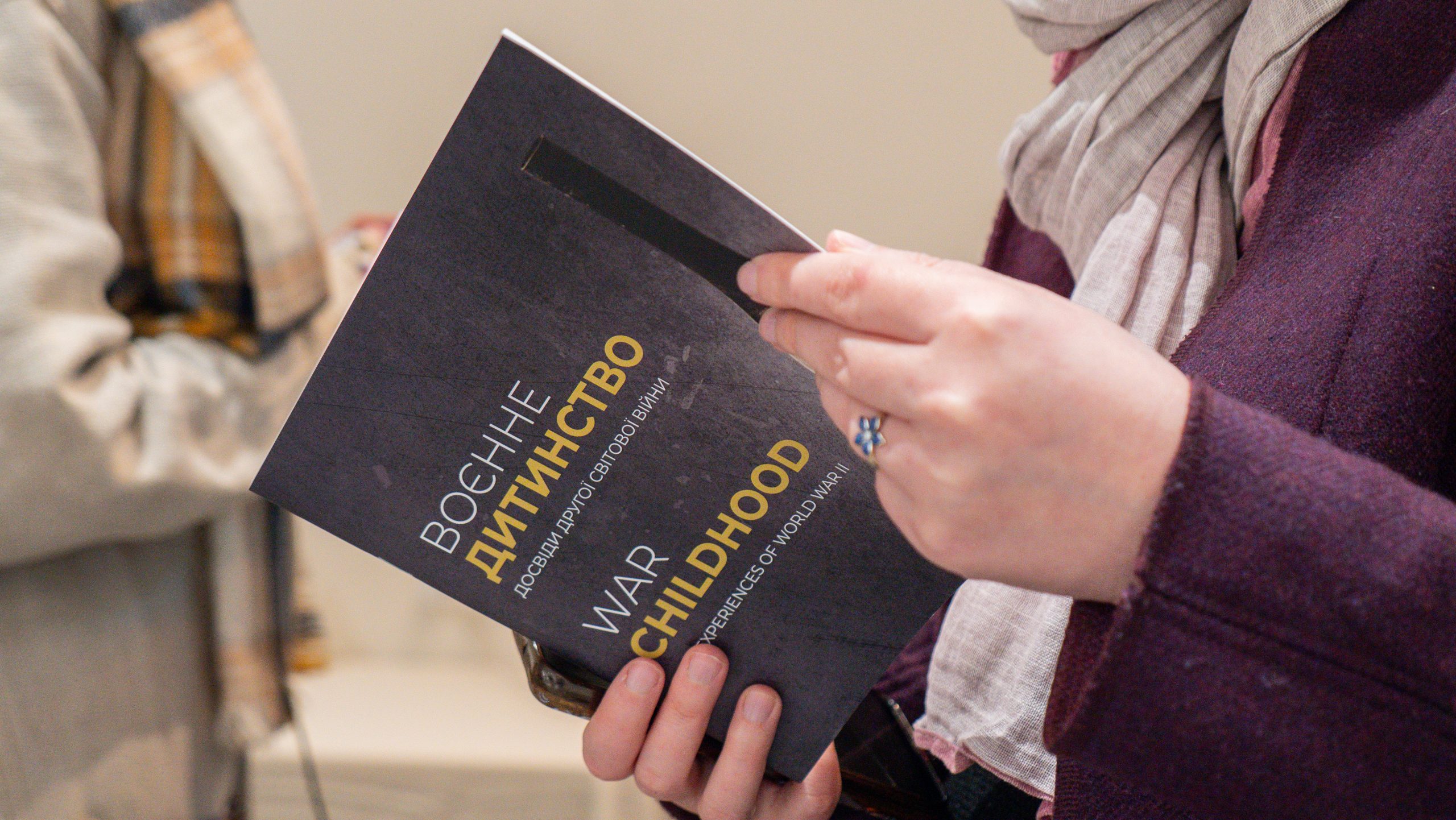
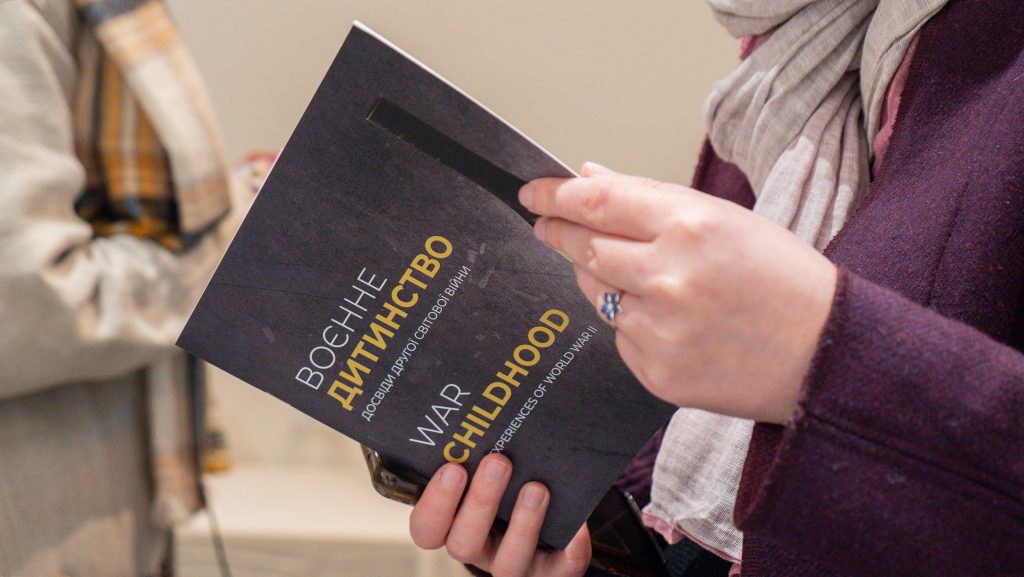
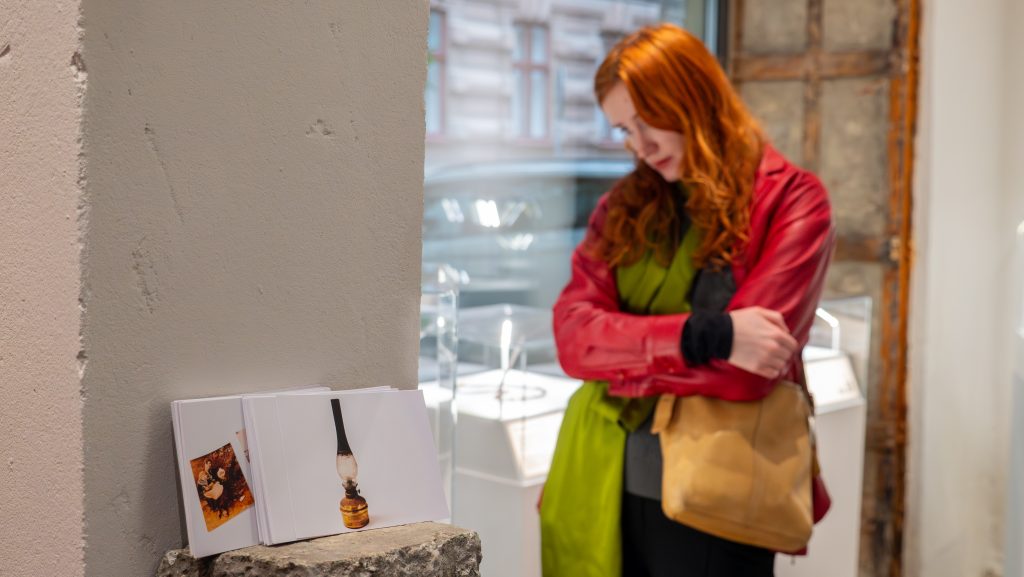
In 2025, the exhibition “War Childhood: Experiences of World War II” was held in Lviv, in which the Museum team demonstrated how personal testimonies and objects can help visitors get acquainted with the experiences of children who survived World War II. By bringing individual stories into public spaces, the Museum creates opportunities for dialogue between generations and encourages reflection on how war shapes childhood, both in the past and today.
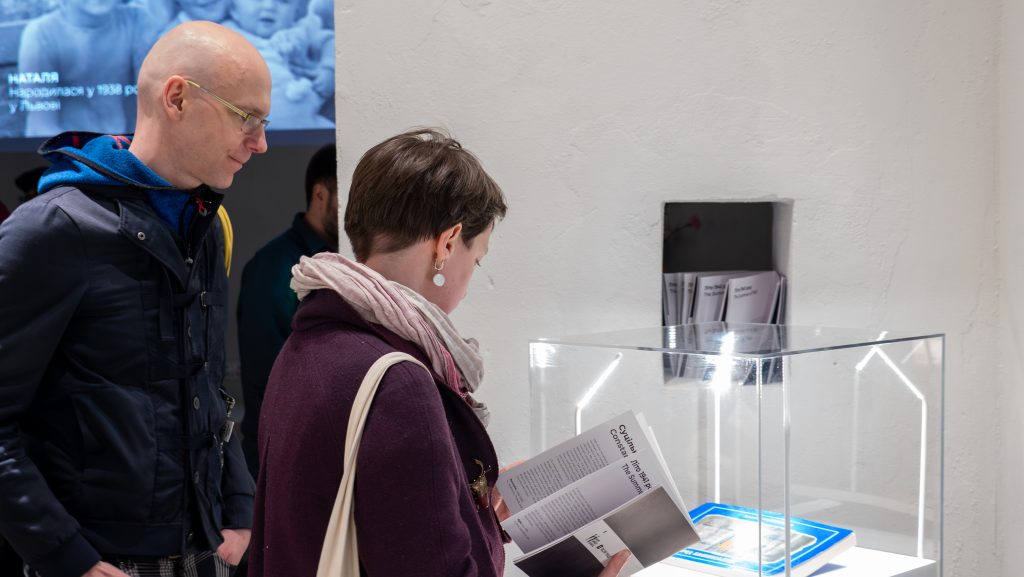
“By telling stories about childhood during World War II, we not only acknowledge this experience, but also observe its long-term impact on our identity and memory. This evidence is valuable material for understanding both the past and the present,” adds Domorosla.
Testimonies from World War II occupy a special place in the War Childhood Museum Ukraine’s collection. While they document a conflict that ended almost 80 years ago, they also offer valuable perspectives on the long-term impact of war on children’s lives and on how society remembers and interprets a traumatic past.
“Wars end, but the experience of growing up during war stays with people for the rest of their lives,” says Domorosła. “The emotions described by witnesses of World War II often resonate with the experiences of children experiencing war today.”
As opportunities to communicate with witnesses become increasingly rare, the work of collecting, preserving, and developing these stories becomes essential. Through this work, the Museum helps to bring children’s experiences to light and use them as a source for understanding the present.
“The preservation of this historical perspective is extremely important. “Museums help society see itself through time, connecting past and present experiences, rather than allowing them to disappear from public memory,” emphasizes Osipchuk.
Around the Lamp
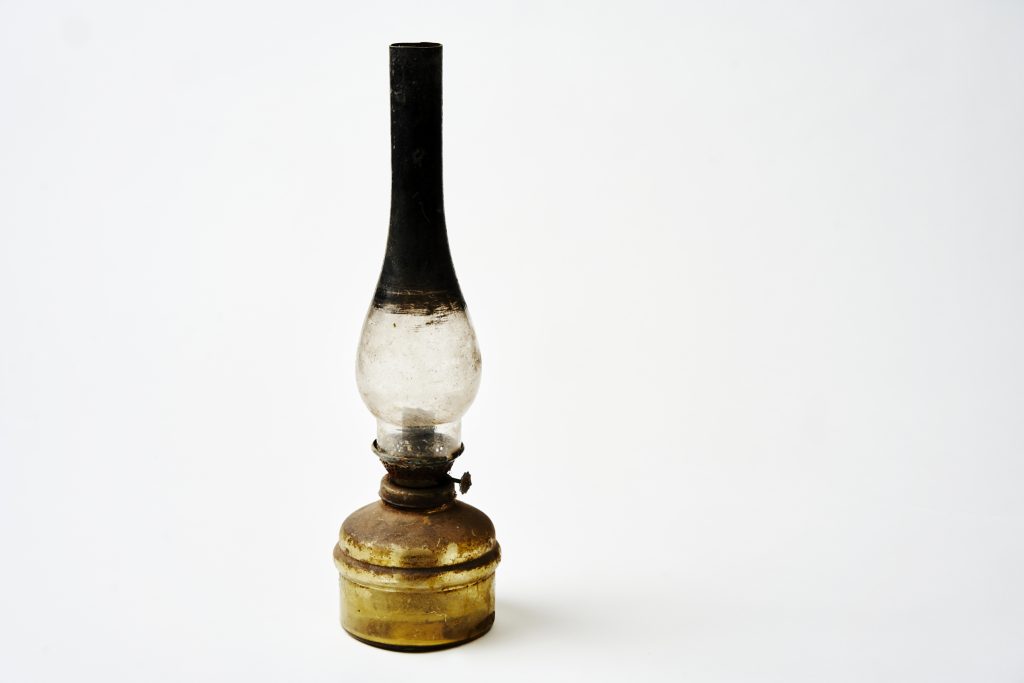
In the early mornings, they would gather together to embroider. The whole corner was bustling with young girls. Some embroidered pillowcases, some towels for themselves. They also used to spin. They would sit around the lamp and embroider.
The boys would come and stir up some mischief. They didn’t embroider; they would come from the hamlet to court the girls.
Many used to gather. I didn’t participate, I didn’t do embroidery. How old was I then? This was my older sister.
Hanna, b. 1938
Vaskivtsi, Chernihiv region