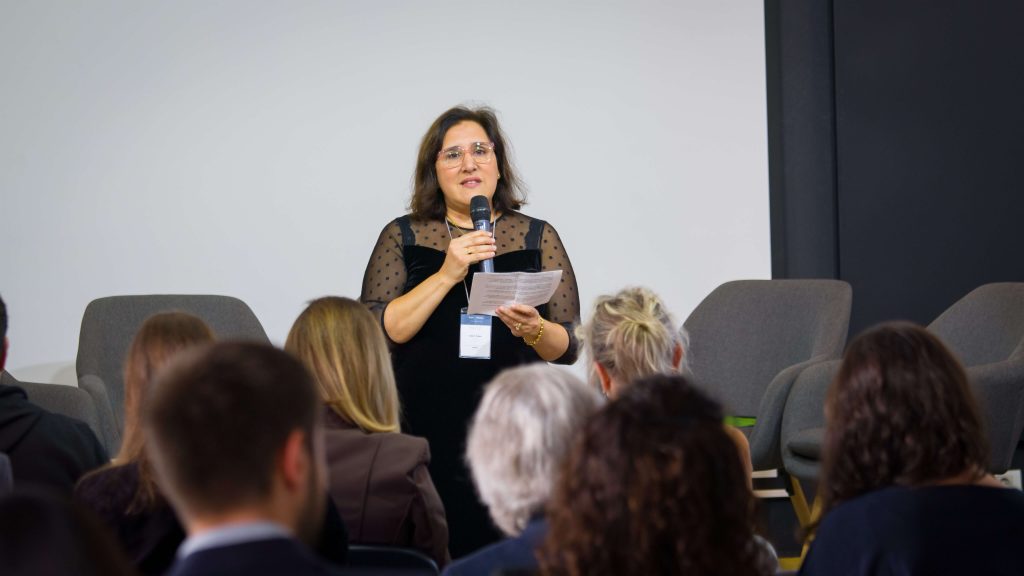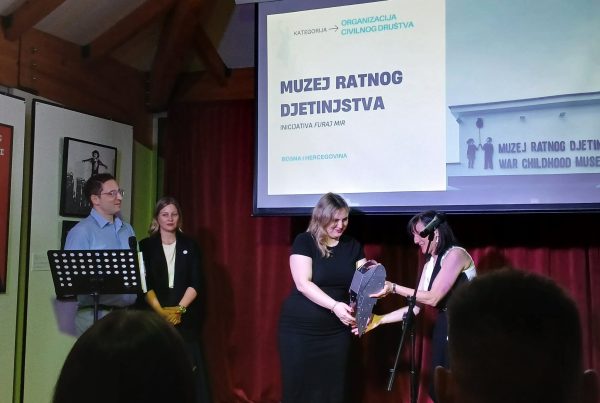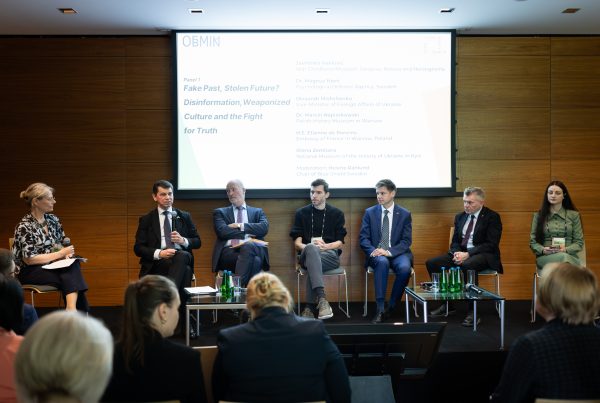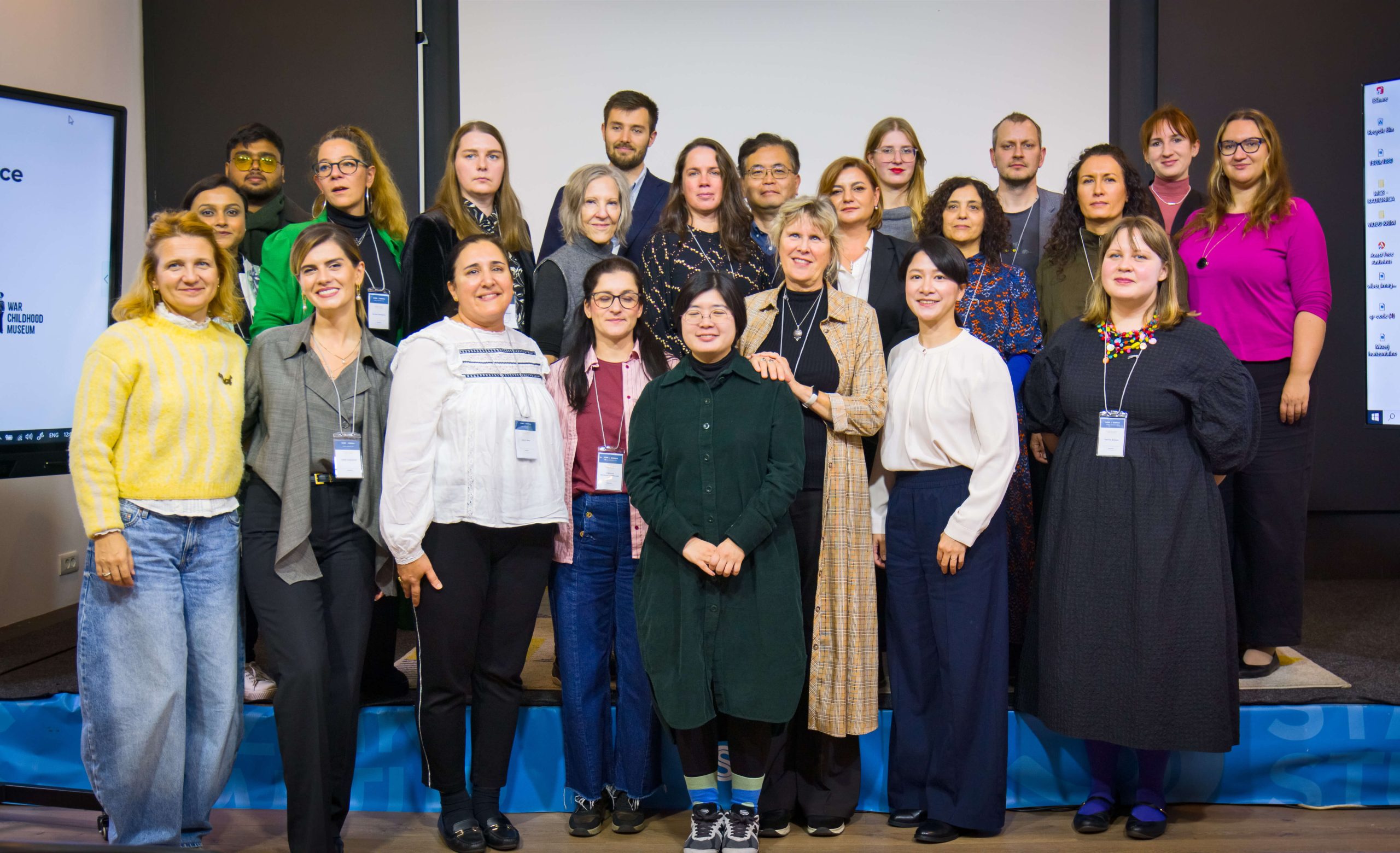
The international conference “Echoes of Conflict, Paths to Peace: Museums, Memory, and Post-War Recovery” concluded in Sarajevo on Wednesday, 28 October, following two days of discussions on the role of museums in preserving difficult histories, addressing the legacies of conflict, and contributing to peacebuilding.
Organized by the International Council of Museums’ International Committee on Ethical Dilemmas (ICOM ICEthics), in partnership with the War Childhood Museum, the conference brought together museum professionals, researchers, and heritage practitioners from around the world.
Exploring the Role of Museums in Post-Conflict Societies
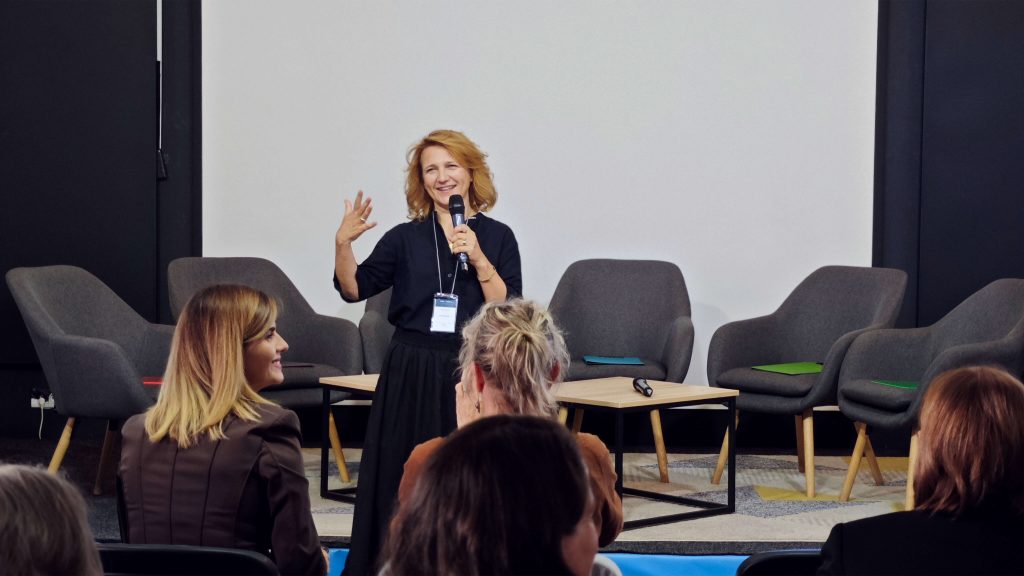
The conference explored topics including intergenerational trauma and family memory, the conservation and interpretation of difficult heritage, community participation, digital archives, contested historical narratives, and the ethical responsibilities of museums in post-conflict societies.
The War Childhood Museum also presented its work through the paper “Breaking the Silence: Family Memory, Testimony, and Narrative Reconstruction at the War Childhood Museum,” co-authored by Maida Salkanović, the Museum’s Communications Manager, and Emina Zoletić, a PhD candidate at the University of Warsaw and recipient of the War Childhood Museum’s Lejla Hairlahović-Hušić Scholarship.
The presentation explored how the Museum’s approach to collecting personal objects and testimonies can encourage conversations about war within families, helping contributors revisit previously unspoken experiences and reconstruct family memories.
Reception Hosted by the Embassy of the Republic of Poland
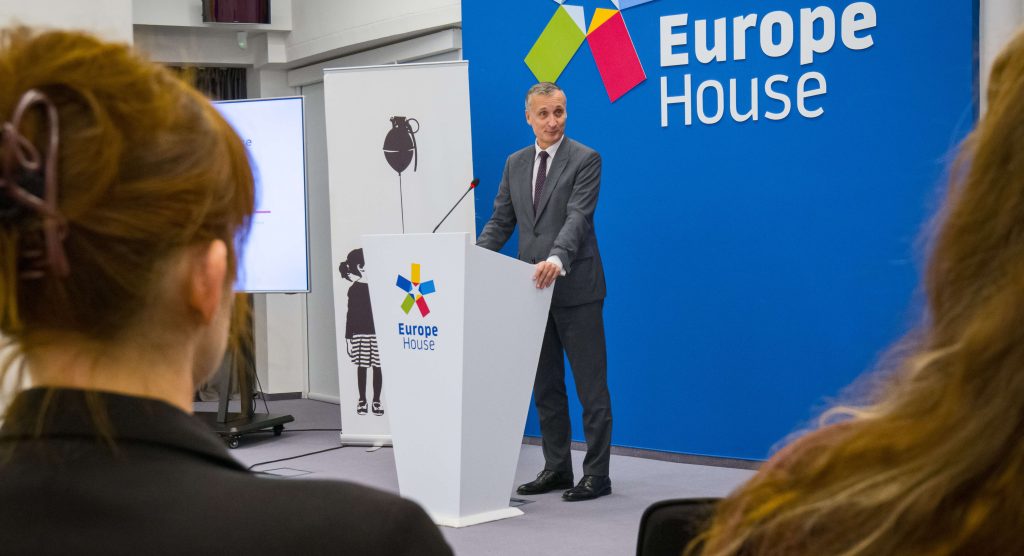
On the evening of 27 October, the Embassy of the Republic of Poland in Bosnia and Herzegovina hosted a reception for conference participants at Europe House in Sarajevo, providing an opportunity to continue discussions and strengthen international connections.
Addressing the participants, Marcin Czapliński, Chargé d’Affaires of the Embassy of the Republic of Poland in Bosnia and Herzegovina, emphasized the importance of remembrance and dialogue in building lasting peace.
“We have learned that lasting peace requires both remembrance and the willingness to engage with difficult chapters of the past,” he said.
Sarajevo as a Place for Dialogue on Peace and Memory
Dr. Lina G. Tahan, Chair of ICOM ICEthics said that she wanted to hold this conference in Sarajevo because of the city’s history and because the War Childhood Museum means a lot to her personally.
“Having contributed my own story to the Museum, I feel particularly connected to its work and the message it carries: peace is fragile, and we should never take it for granted. With so many conflicts happening around the world today, Sarajevo felt like the right place to come together and talk about how we can build and rebuild peace. I think these conversations are especially important right now,” said Dr. Tahan.