At the end of 2025, the War Childhood Museum Ukraine introduced the Educational Resource Center, a collection of materials that helps teachers bring objects and stories from the Museum’s collection into the classrooms. Developed as part of WCM Ukraine’s educational work, the Center applies object-based learning to the Ukrainian school context and provides teachers with resources for addressing experiences of war while the war is still ongoing.
The Educational Resource Center shows how the Museum’s collection can serve not only to preserve stories, but also as a learning tool.
“The main question we are trying to address through our materials is: how can we teach about and reflect on the experience of war while the war is still ongoing? School curricula are not adapting quickly enough to this need,” says Svitlana Osipchuk, WCM Ukraine Program Director.
The educational materials were first developed by the War Childhood Museum Bosnia and Herzegovina. The WCM Ukraine built on these materials, adapting them to the Ukrainian educational context.
“Our approach equips teachers with the tools to adopt a trauma-informed and sensitive approach to teaching during the ongoing war,” explains Osipchuk.
From Objects to Questions
Object-based learning involves active engagement with artworks, artifacts, archival materials, or digital representations of objects. It encourages students to look closely, notice details, ask questions and develop their own ideas. The object opens the way for research and discussion.
This was one of the ideas that guided Nataliia Ponezha, a teacher, and Anna Lenchovska, a psychologist, in co-authoring the educational and methodological materials for WCM Ukraine’s Educational Resource Center.
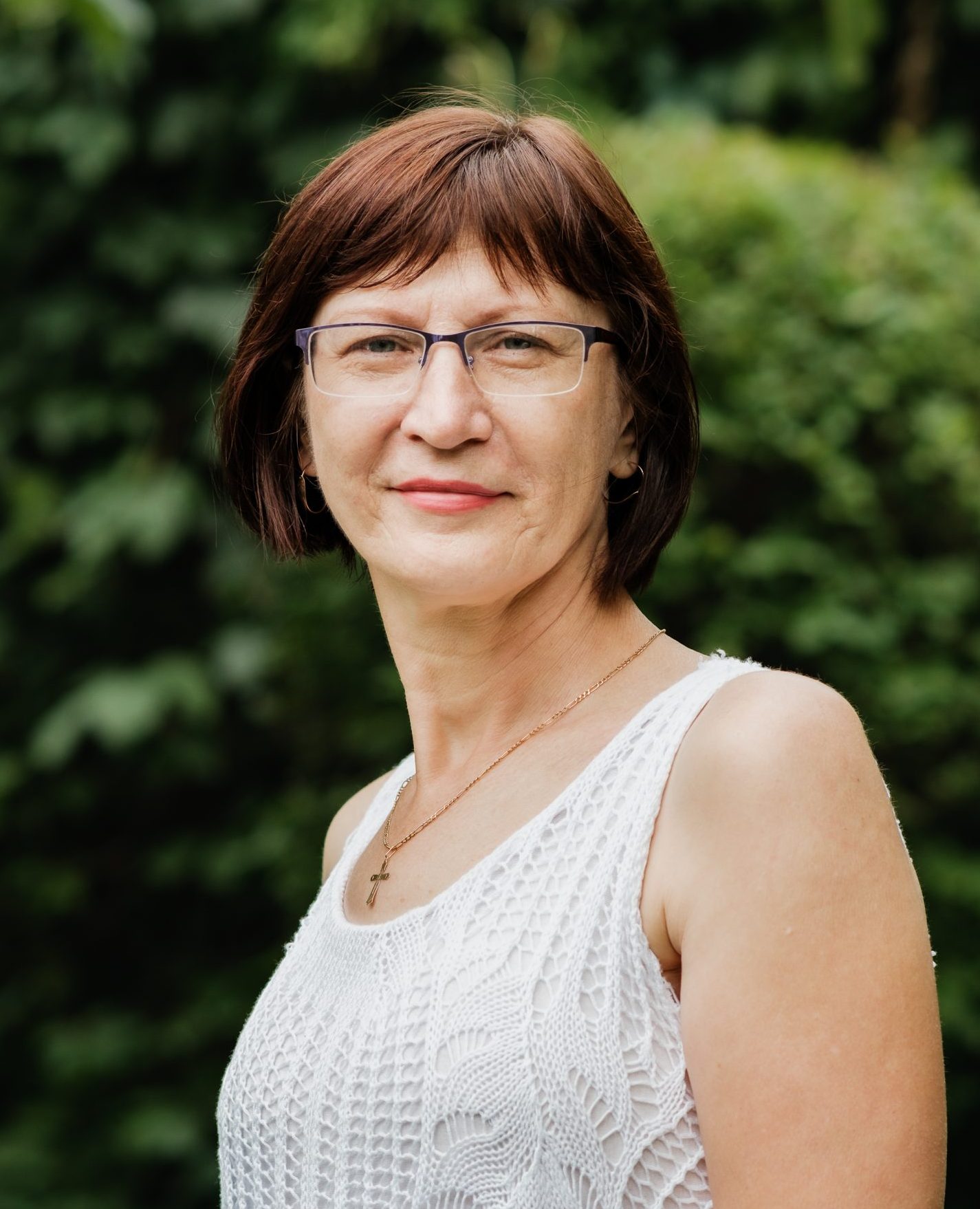
Nataliia Ponezha, private archive
Every object in the WCM collection is connected to the real experiences of children who lived through war. In the classroom, these objects and the stories behind them can help students reflect on their own experiences of living through wartime, using the experiences of other children as a starting point for conversation and reflection.
One of the first lessons Nataliia created was based on a simple object — a telephone. “The artefact itself — the telephone — is universal and familiar to everyone. Now I can see that this is the story teachers most often test in their classrooms.”
Educators who used the Center’s materials during the testing phase found that using an object as a starting point can create some distance from difficult personal experiences while opening discussion about topics like memory, loss, home and identity.
From Object to Action
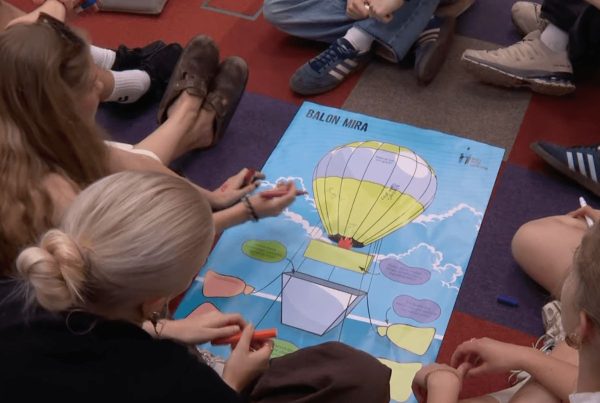
The Center’s materials include creative tasks, group work, visual activities and other ways of working with an object. “It was important to me that the activities did not come down to conversation alone. I wanted children to act — to complete practical tasks, work with their hands and interact with the material,” says Nataliia.
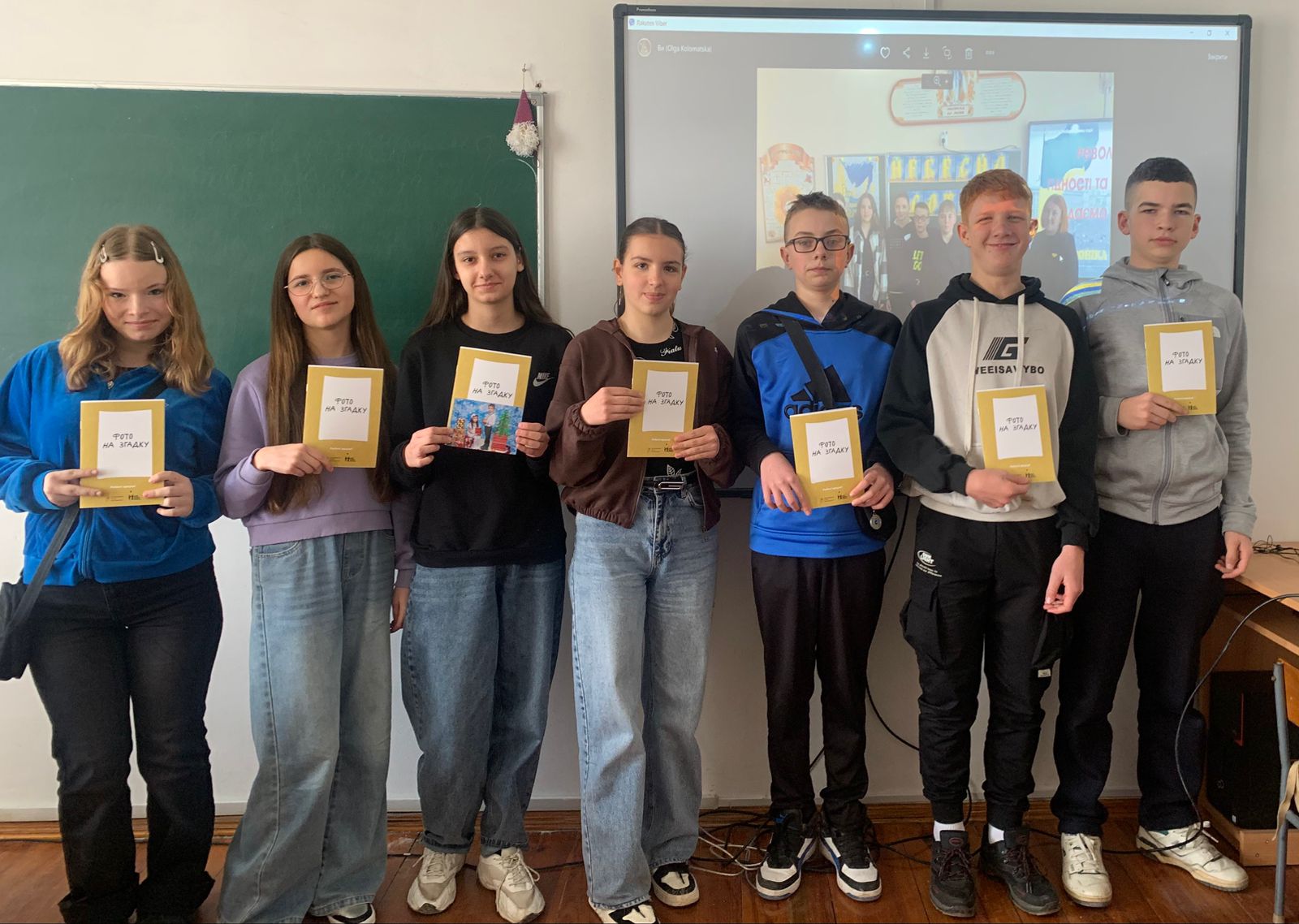
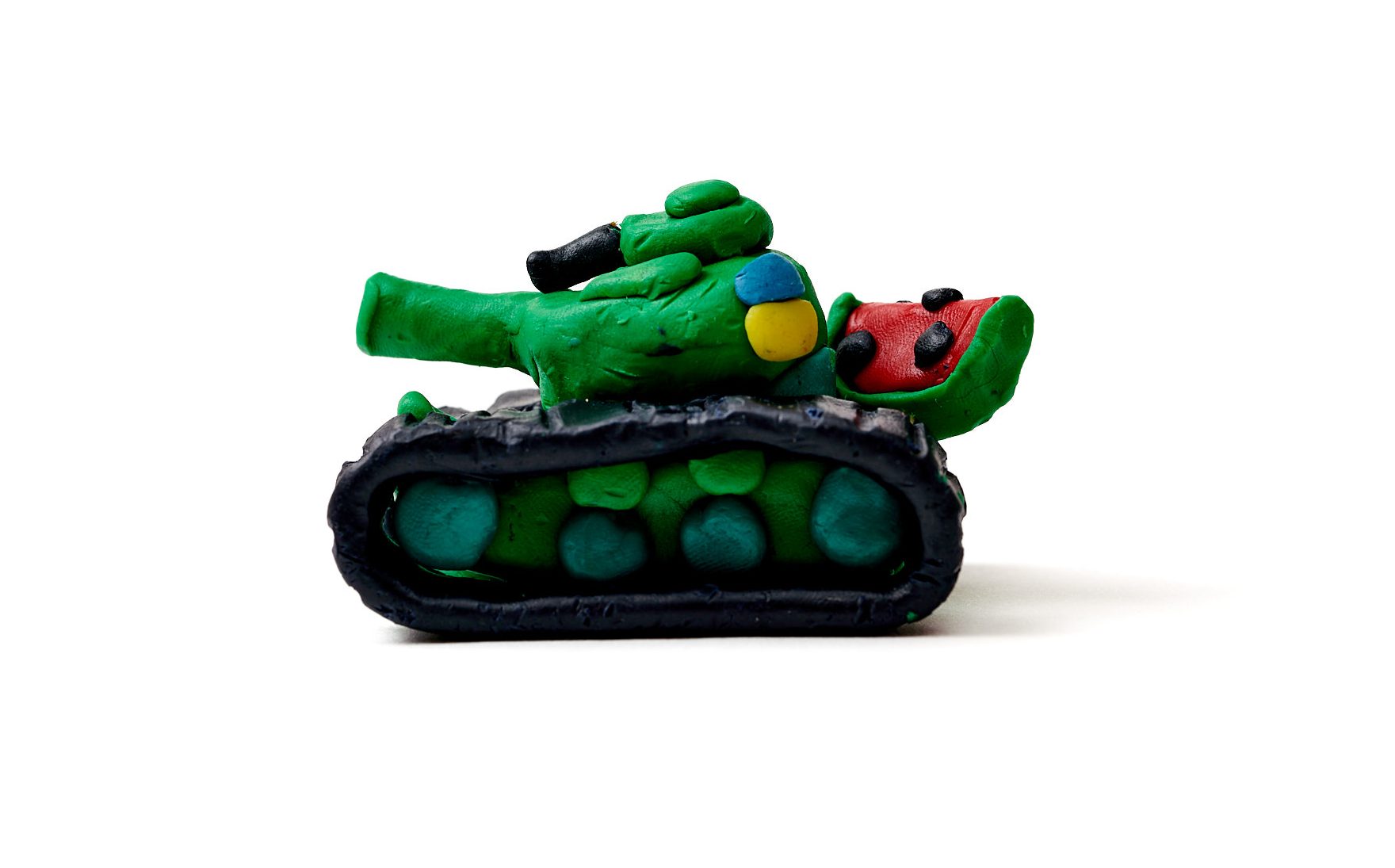
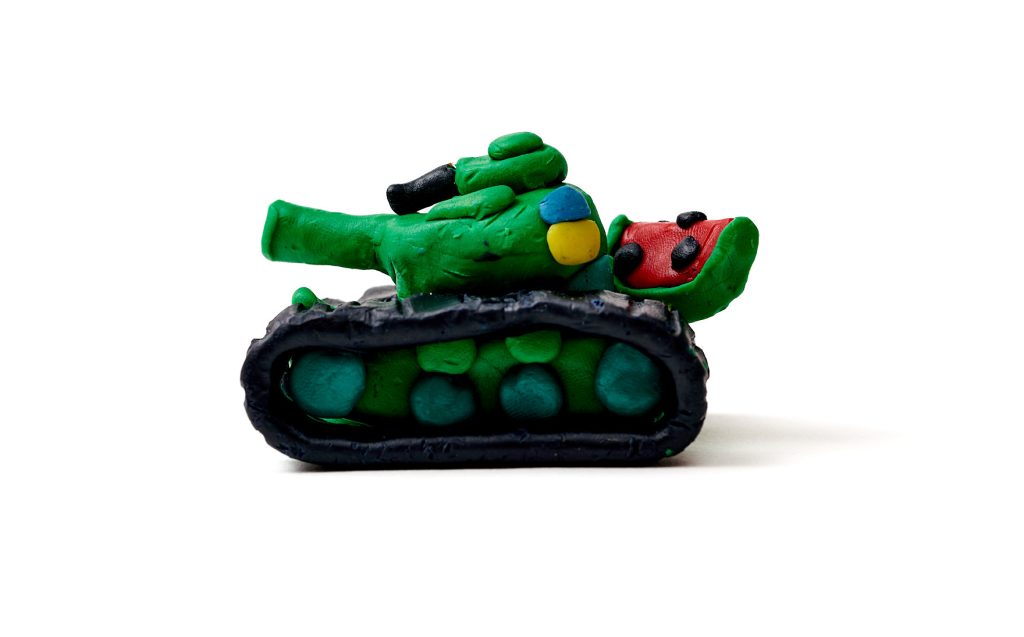
One example is a lesson based on the story titled “Big Problems”. The object becomes a starting point for creative work with modelling clay. Through a familiar image, students can approach more difficult topics connected to children’s experiences of war.
The activities also change depending on students’ age. Younger children work more with creative and visual tasks, while older students are encouraged to compare, analyse and interpret.
At the same time, the materials are not strict instructions. “These teaching materials are not a rigid set of instructions. This applies both to the content and to the age boundaries,” explains Nataliia.
The same object can lead to different questions depending on the lesson, the age of the students and the teacher’s approach.
“War should not be the only framework. So I deliberately expanded the context and looked for entry points through broader topics,” adds Nataliia.
For example, museum stories can be used in civic education and history lessons. They can open discussions about dignity, memory, values, migration and other topics.
From Materials Development to Classroom Use
The development of the Ukrainian educational materials took around eight months. To test the lessons in practice, WCM Ukraine invited teachers to join the project through an open call, which attracted considerable interest. Participants were introduced to object-based learning, a trauma-informed approach and practical ways of using the lesson plans.
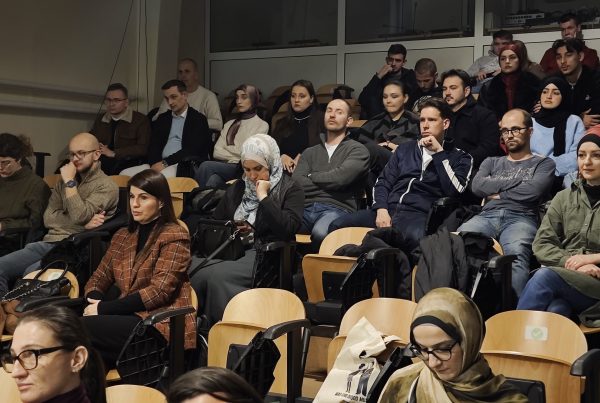
The Museum organised online training seminars for teachers from across Ukraine. The sessions combined the methodology of object-based learning with psychological aspects of discussing war and memory with children. Teachers could also exchange experiences and ask questions about using the materials in their classrooms.
The lessons were then tested in schools across Ukraine. In total, 63 teachers conducted 69 lessons with more than 1,600 children and teenagers in 17 regions, including frontline and recently liberated areas. The lessons took place both online and in classrooms. The testing process also helped the Museum understand how teachers adapt the materials to different ages and classroom contexts.
The War Childhood Museum Ukraine continues to support educators through networking meetings and individual consultations, giving teachers an opportunity to discuss their experiences and ask questions as they use the materials from the Educational Resource Center.
Big Problems
I was born in Kherson, where there are big problems now. Our courtyard was bombed. During the missile strike, the trees fell. Even the most stable ones were broken. Afterwards, barely any remained standing. Everything was in ashes. All the glass was broken. We lived on the eighth floor, and we still live on the eighth floor here in Kyiv.
One day, I saw those Z-kas driving on our roads. A month later, for our own safety, we went to Kyiv.
I made this tank with my own hands; I spent an hour making it. In Kherson, I have a whole drawer with three shelves filled to the brim with my models. I miss Kherson.
Mykhailo, born 2014,
Kherson